


















The 2000s were a remarkably strong decade for comedy TV, with sitcoms hitting both critical and commercial highs. Some of the most influential small-screen comedies of all time premiered during this era, shaping modern TV humor with sharper writing, more serialized storytelling, and characters that felt instantly iconic. It was a period when sitcoms dominated cultural conversations.
Alongside juggernauts like The Office, How I Met Your Mother, and The Big Bang Theory, the decade also produced cult favorites that still enjoy passionate fanbases. Shows such as 30 Rock and Arrested Development may not have topped ratings charts initially, but their reputations have only grown over time. Even lesser-known 2000s sitcoms are now widely regarded as classics.
That’s what makes the era’s most obscure and forgotten efforts so fascinating. With such a high bar for quality, many genuinely strong comedies slipped through the cracks. These forgotten 2000s comedy shows may not dominate streaming today, but they remain well worth rediscovering for sitcom fans looking beyond the usual favorites.
Center Of The Universe (2004-2005)
A Character-Driven Family Sitcom Powered By John Goodman’s Effortlessly Likable Screen Presence
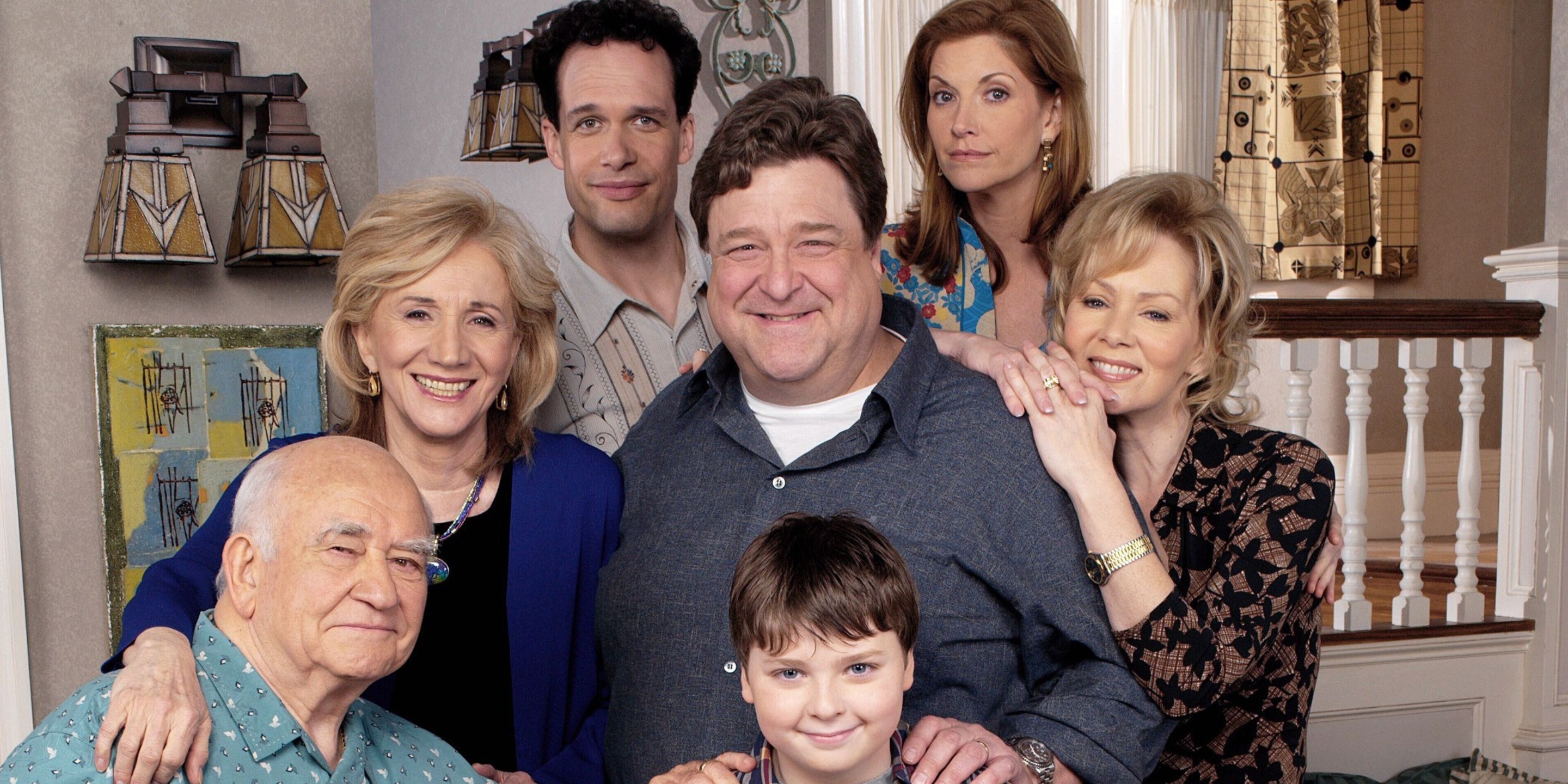
Center Of The Universe was a CBS family sitcom built around John Barnett (John Goodman), a good-natured security firm operator from Tulsa whose personal life is far messier than his professional one. Rather than leaning into cynicism, the series played its comedy broadly, grounding itself in character interactions and everyday frustrations rather than sharp-edged satire.
What the show did especially well was use John Goodman’s natural warmth as its foundation. John Barnett wasn’t a caustic antihero, but a fundamentally decent guy trying to balance work, romance, and family expectations. Goodman’s easy charisma gave even familiar sitcom beats a relaxed confidence that made the show immediately accessible.
The ensemble helped flesh out the office setting, particularly Spencer Breslin's Miles Barnett, whose turn as John's nerdy and excitable son provided a strong counterbalance to Goodman’s laid-back attitude. Their dynamic leaned into classic sitcom rhythms, prioritizing timing and character chemistry over experimental storytelling.
Although Center Of The Universe only lasted a single season, it’s a solid example of a traditional sitcom that simply arrived at the wrong moment. Overshadowed by flashier shows, it’s one of those forgotten 2000s comedy shows that rewards viewers looking for low-key humor anchored by a reliably great lead performance.
Rules Of Engagement (2007-2013)
A Relationship Comedy That Quietly Perfected Traditional Multi-Camera Sitcom Storytelling
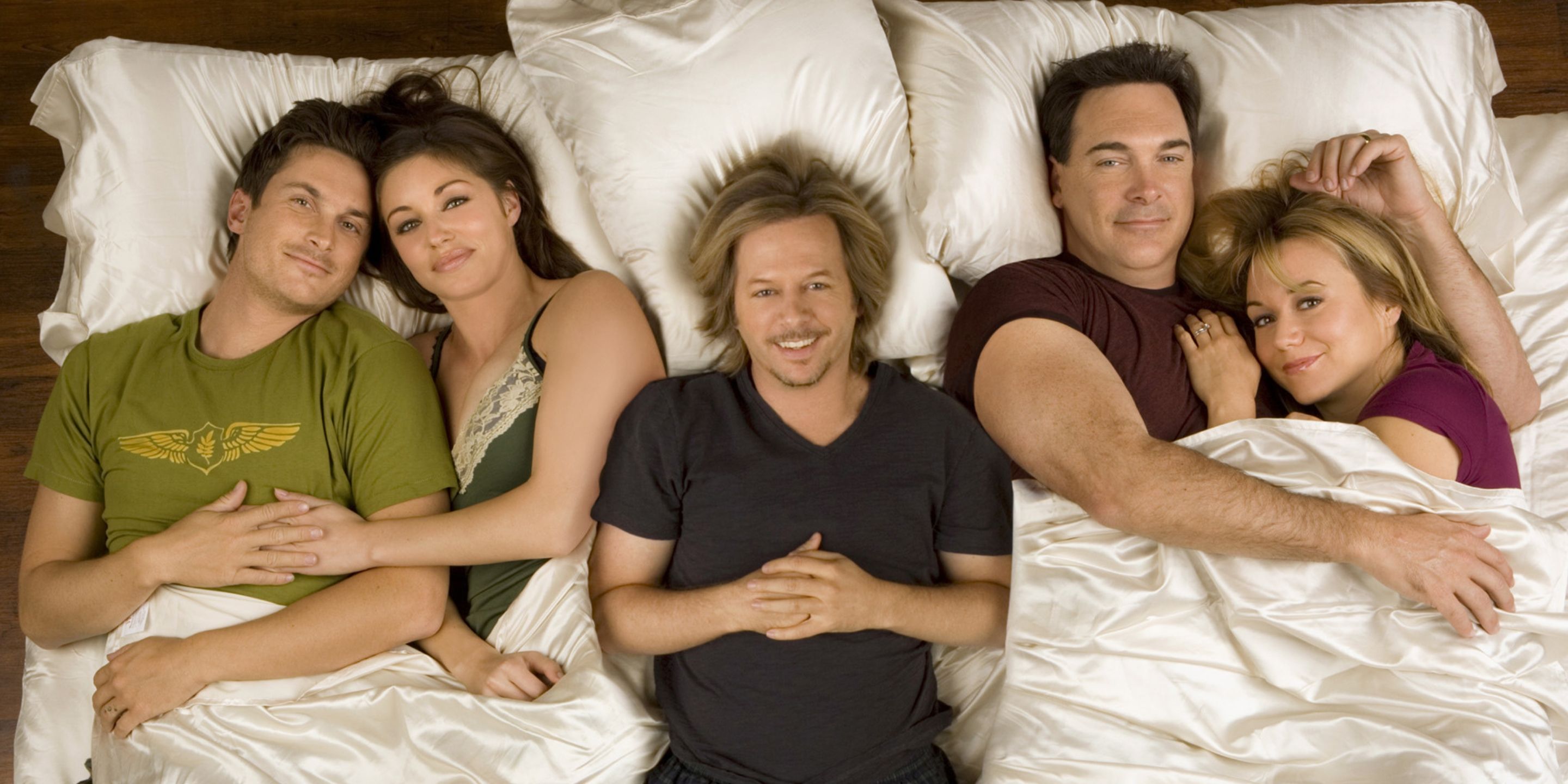
Another CBS sitcom, Rules Of Engagement often gets dismissed as formulaic, but its longevity suggests it was doing something right. This obscure 2000s comedy revolved around two couples and their perpetually single friend, exploring long-term relationships with a self-aware sense of humor that never took itself too seriously.
Patrick Warburton’s Jeff Bingham quickly became Rules Of Engagement’s secret weapon. His deadpan delivery and exaggerated masculinity elevated even the most familiar punchlines. Paired with Audrey (Megyn Price), Jeff’s bluntness created a comedic dynamic that consistently paid off.
Though rarely discussed today, Rules Of Engagement proved that a traditional sitcom could still thrive in an era increasingly dominated by single-camera comedies. Its quiet success makes its current obscurity feel undeserved.
Grounded For Life (2001-2005)
A Family Sitcom That Blended Heartfelt Storytelling With Inventive Narrative Structure
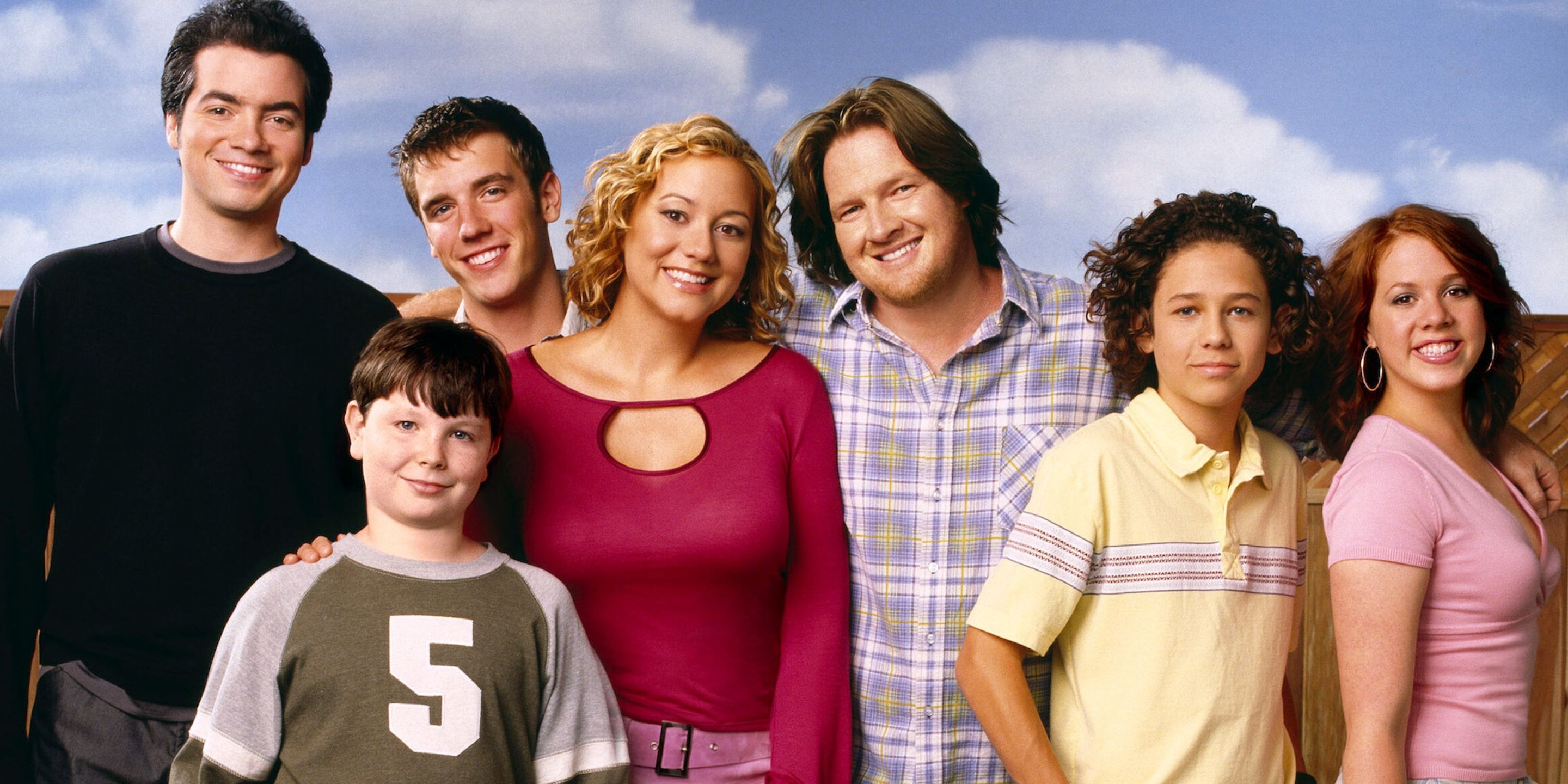
Unlike many family comedies of the 2000s, Fox’s Grounded For Life embraced experimentation. The series followed the Finnerty family, frequently using flashbacks to show how small decisions echoed across generations. This structure gave the show a freshness that set it apart early on.
At its center was Sean Finnerty (Donal Logue), a father in his 30s whose attempts to balance responsibility and rebellion after having his first child at 18 fueled much of the show’s humor. His dynamic with Claudia Finnerty (Megyn Price) felt grounded and lived-in, helping the series avoid the artificiality that plagued many network sitcoms.
Even though it received solid reviews, Grounded For Life never quite broke into mainstream popularity. It remains one of the most creatively ambitious forgotten comedy shows from the 2000s, blending sitcom laughs with storytelling risks that still feel modern today.
Reba (2001-2007)
A Warm, Resilient Sitcom That Tackled Real-Life Struggles With Humor And Heart
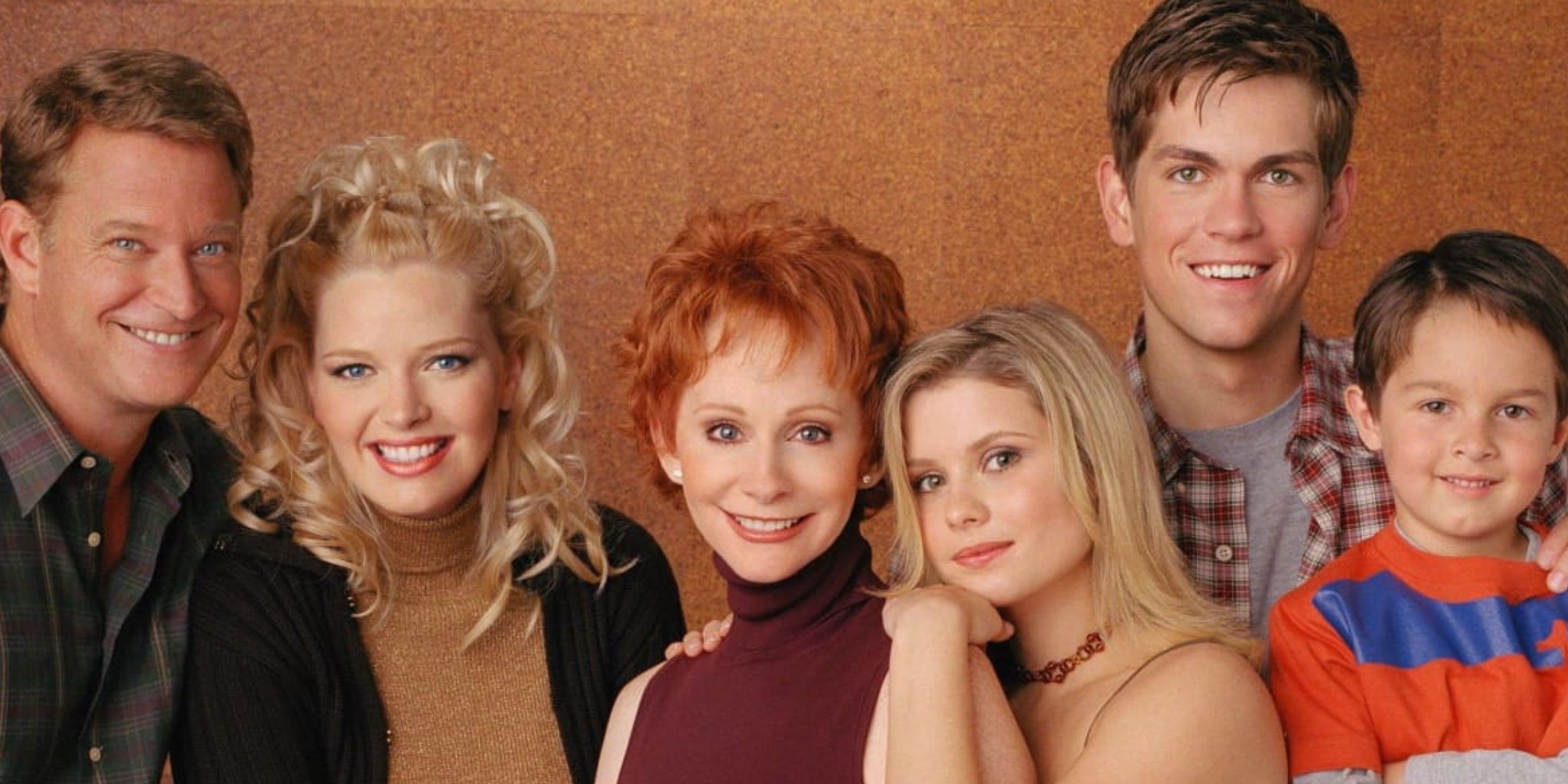
Originally airing on The WB before moving to The CW, Reba centered on Reba Hart (Reba McEntire), a single mother navigating life after divorce while maintaining relationships with her ex-husband and his new family. The premise allowed the show to explore blended families long before they became commonplace on TV.
McEntire’s performance gave the series its emotional backbone. Reba’s humor wasn’t just punchline-driven; it came from resilience and self-awareness. Her chemistry with Barbara Jean Booker Hart (Melissa Peterman) turned what could have been a standard rivalry into one of the show’s most endearing relationships.
Reba stands out among 2000s comedy shows thanks to its ability to balance sitcom comedy with genuine emotional stakes. Episodes often addressed financial stress, parenting anxieties, and personal growth without losing their comedic touch.
Despite running for six seasons, Reba is rarely discussed alongside other 2000s sitcoms. Its grounded storytelling and empathetic perspective make it one of the decade’s most quietly effective comedies, deserving far more recognition than it currently receives.
Everybody Hates Chris (2005-2009)
A Sharply Written Autobiographical Sitcom That Turned Personal History Into Universal Comedy
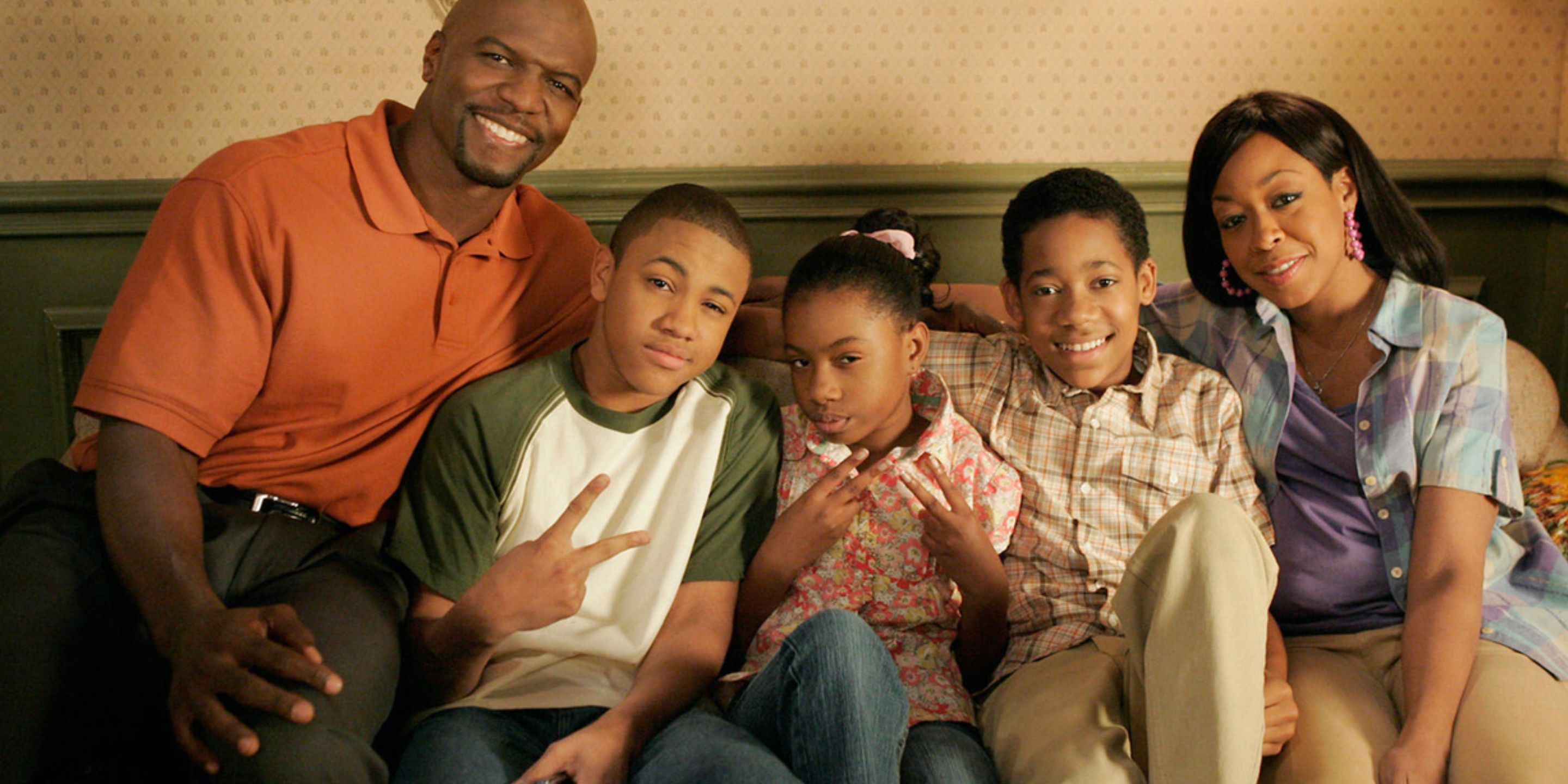
Narrated by Chris Rock, UPN’s Everybody Hates Chris offered a semi-fictionalized look at his childhood, centering on his younger self (played by Tyler James Williams) as he navigated school, family, and growing up in Brooklyn. The show’s autobiographical roots gave it a specificity that made its humor feel authentic.
The series excelled at character-driven comedy, especially through Rochelle Rock (Tichina Arnold), whose fierce parenting style became instantly iconic. Terry Crews’ portrayal of Julius Rock balanced stoicism with unexpected tenderness, grounding the show emotionally.
In addition to its memorable roster of characters, Everybody Hates Chris also stood out for its refusal to sanitize its themes. It tackled race, class, and adolescence with sharp observational humor, trusting its audience to engage with uncomfortable truths while still delivering consistent laughs.