













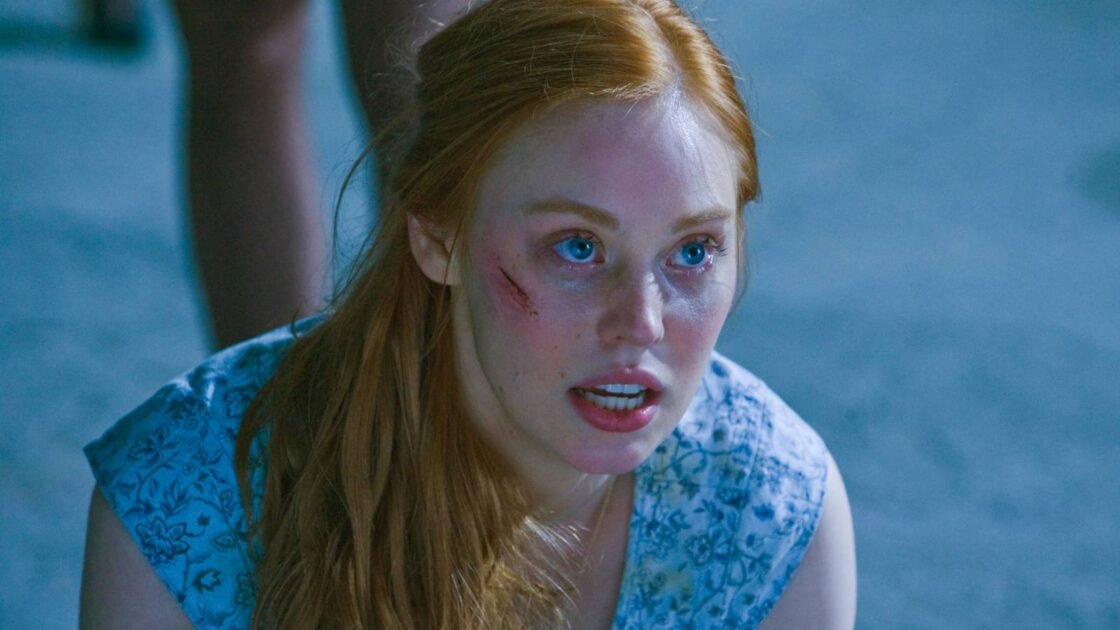

HBO's True Blood was an absolute hit between the 2000s and 2010s, but it's unlikely that this series would have ever happened if it were pitched today. The supernatural fantasy was based on the Southern Vampire Mysteries by Charlaine Harris, which revolve around telepathic waitress Sookie Stackhouse. In the HBO show, this protagonist is played by Anna Paquin, whose on-screen steamy love triangle made True Blood a forerunner in the vampire-romance era.
In typical 2000s HBO fashion, True Blood was sexy, dark, and deliciously campy. For those who live and breathe this unique subgenre of fantasy, this TV show was a 10/10. It's no wonder, then, that HBO announced back in 2020 that a reboot series was in the works. Equally as unsurprising is CEO Casey Bloys' news (via TV Line) that the project is dead. After all, True Blood really isn't compatible with HBO's modern brand.
True Blood Is Not A Show HBO Would Make Today
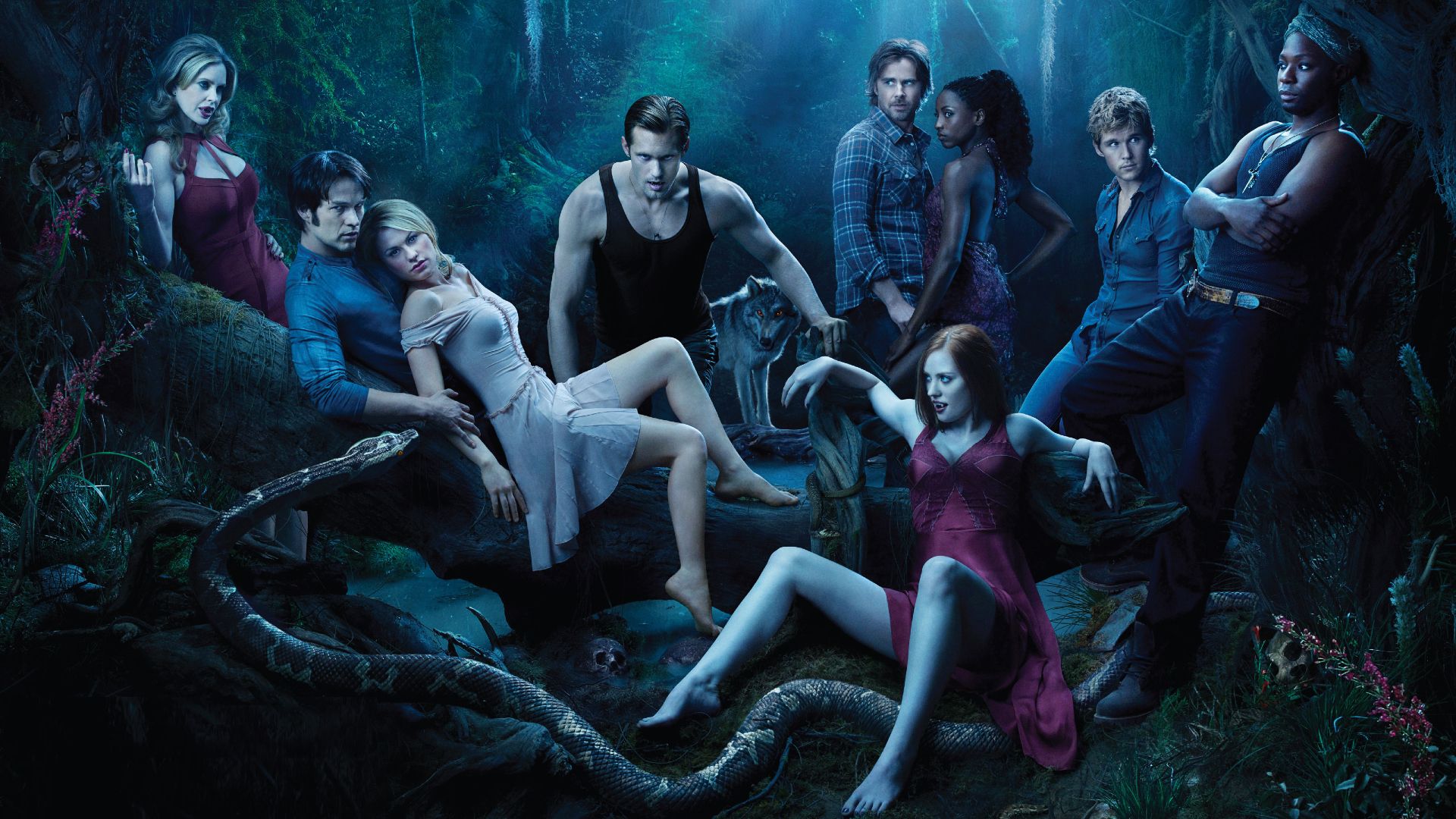
Back in 2008, True Blood was precisely the sort of TV show that typically came from HBO. It was sexy and violent, and that was, more or less, all that this network required. The poignant social metaphors were a good touch, but that wasn't necessarily unique to HBO. In this day and age, however, HBO's reputation has changed.
Though "sexy and violent" are still common adjectives for many HBO shows, this production company has come to be known for TV shows with a unique, cinematic quality. Game of Thrones really solidified this fact. HBO's shows are massive, expensive, and, more often than not, epic. It's how the company and streamer has differentiated itself from platforms like Netflix.
Long-Running Fantasy TV Shows Are Hard To Find Now
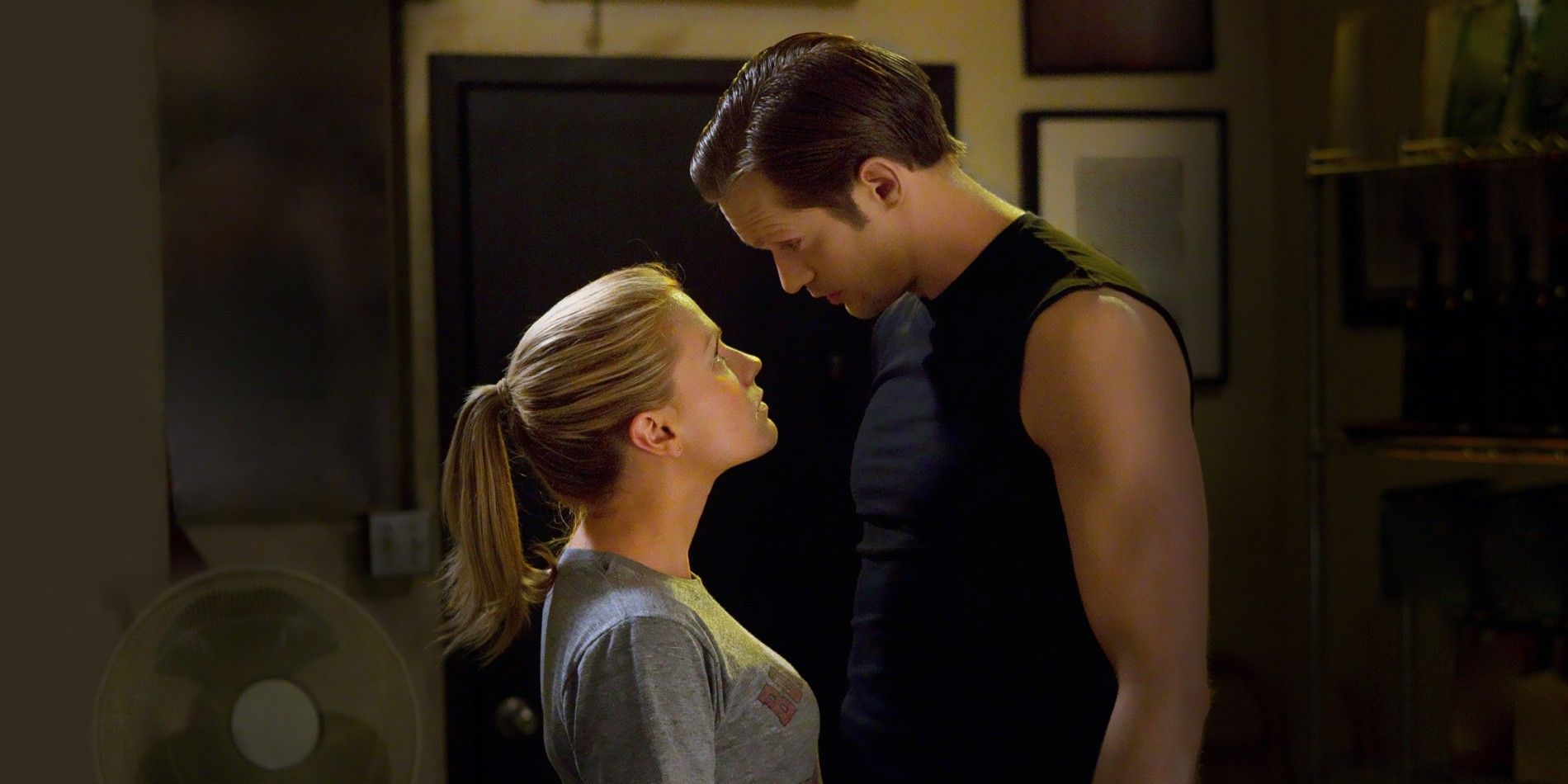
True Blood aired when HBO was focused entirely on its traditional "real TV" network programs. These days, streaming has all but eliminated those types of projects. This shift has allowed for more time to produce high-quality installments. Shows like House of the Dragon, for example, can remain profitable as viewers watch and rewatch previous episodes during the two-to-three-year wait between seasons.The problem with this approach is that it has made shows like True Blood all but extinct, at least on platforms known for high quality like HBO. When a streamed series goes several years between seasons, it's unlikely to go on for seven installments, as True Blood did. It's standard practice for HBO to place predetermined season caps on its high-budget shows. That's really not something that would have worked for a project like True Blood—it takes all the fun out of it.
Would A True Blood Reboot Work?
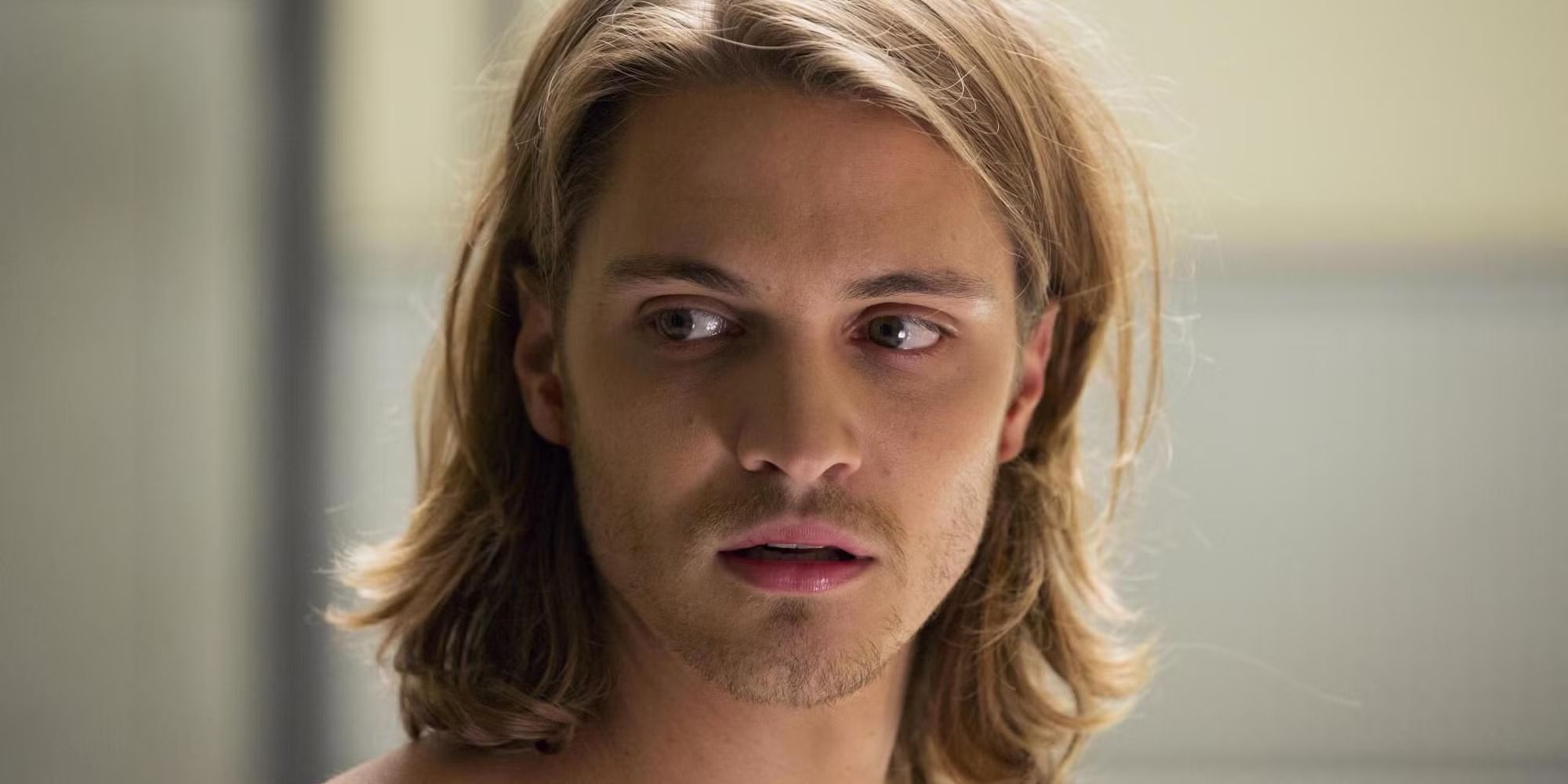
True Blood was HBO's biggest series since The Sopranos between 2008 and 2014. It was a defining feature of the network. In the age of reboots and remakes, it's only natural that True Blood would be considered for our next big revival. There's even plenty of reason to think it could have been successful.
Vampire stories haven't gone out of fashion in the years since True Blood came to a close in 2014. We can turn to the Interview with the Vampire TV reboot as an example. The beloved but campy 1994 movie has been reimagined in this new format to great success. It's more refined and diverse, no longer ignoring the queer statements baked into the original books. The proof is in the pudding with Interview with the Vampire's 99% Rotten Tomatoes score. Still, would a True Blood reboot boast the same success?
HBO would undoubtedly reboot True Blood in its modern style. The camp would be toned down while the budget is driven up. This might appeal to some, but fans of the original series would likely be quickly turned off by the whole thing. Bloys stated that the True Blood reboot was killed because "nothing… felt like it got there." Never say never, but as long as HBO's brand remains what it is today, it's unlikely that a True Blood reboot will ever "get there."