















In an interview with Popverse, Scott Snyder defended comics on the merit that they are the medium with which superhero stories are “renewed” and thrive creatively, and there is a lot of evidence to prove that comics aren’t going anywhere any time soon, even if movies and TV shine brighter. Comics have, and always will, fight back, as Absolute Batman has.
Due to the unrelenting stranglehold that the MCU and DCU have had on popular culture, it wouldn’t be alarming if there were more modern fans of superhero movies and TV shows than there are of comics.
Comics are obviously imperative to superhero movies and TV shows as they provide the source material that is then adapted to screens both small and big, but they rarely seem to receive the same recognition. Nevertheless, comics can often achieve what movies and TV shows can’t.
Comics Are In A New Golden Age Right Now
Absolute Batman Is Reinventing The Character Before Our Eyes
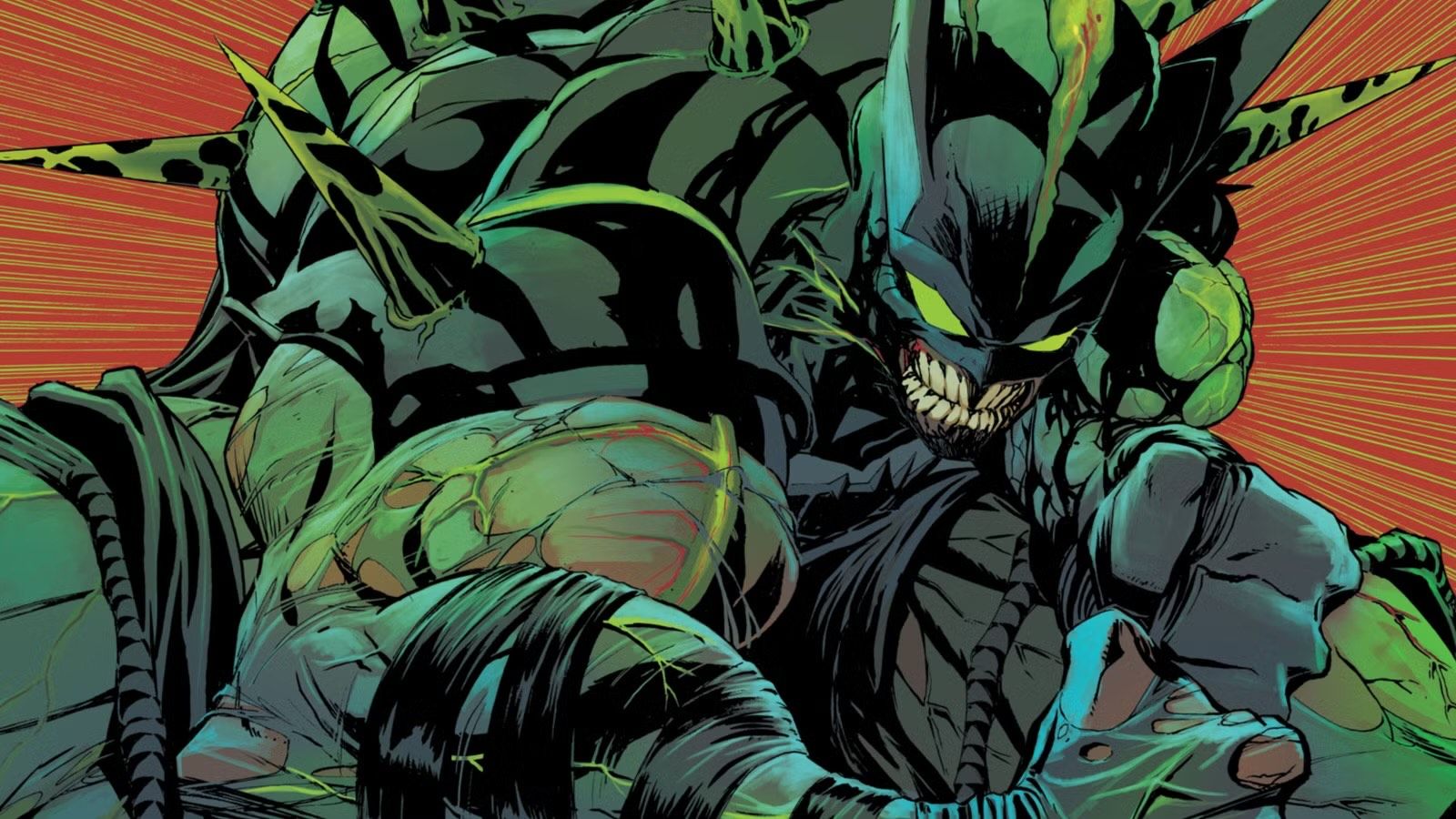
It may or may not be true of every new era that Marvel, DC, and any other comic book company uses to redefine itself, but comics debatably haven’t enjoyed an audience as vocal as it has been for the last several years in quite some time. Leading the pack in terms of books that are highly regarded at the moment is Scott Snyder’s Absolute Batman, an ongoing series alongside the likes of Absolute Wonder Woman and Absolute Martian Manhunter that is pushing the envelope for the DC icon.
To Scott Snyder’s credit, his statement about how comics have been perceived is not false:
Snyder advocates that comics are a medium “where [storytellers] can be nimble and try new things.” Indeed, despite not every ongoing being readers’ favorite, limited series runs or intermittent arcs continue to reinvigorate comics, and there are more than enough stories hitting shelves in any given month for readers to enjoy.
For Better or Worse, Comics Are An Ever-Evolving Medium
Comics Tell Winding, Sometimes Convoluted Stories
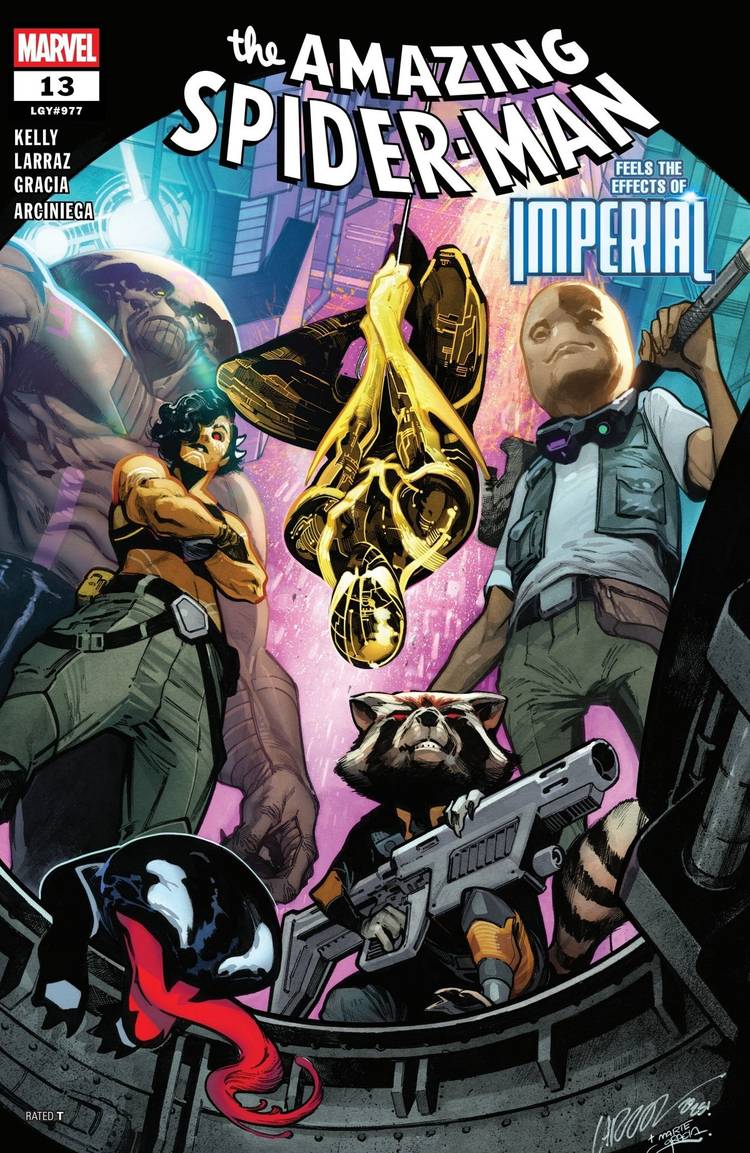
Peter Parker's new team assembles in The Amazing Spider-Man #13 cover
Snyder praises comics as an outlet where creators can “take these weird swings” and simultaneously “maintain the main universe with events like DC K.O. that refresh it in its own way.” But while comics can be more lenient regarding an often complete lack of formulaic storytelling, that same approach can be incredibly jarring.
For example, it may be easier for new audiences to hop into a series if it has recently undergone one of multiple relaunches because it may begin anew at issue #1, as opposed to numbered issues dragging onward into the 900s (a scenario the ‘new’ Amazing Spider-Man ongoing series currently finds itself in).
Brand Synergy Can Be The Death of Marvel Or DC Creativity
Superheroes Are Treated Differently Between Movies, TV, And Comics
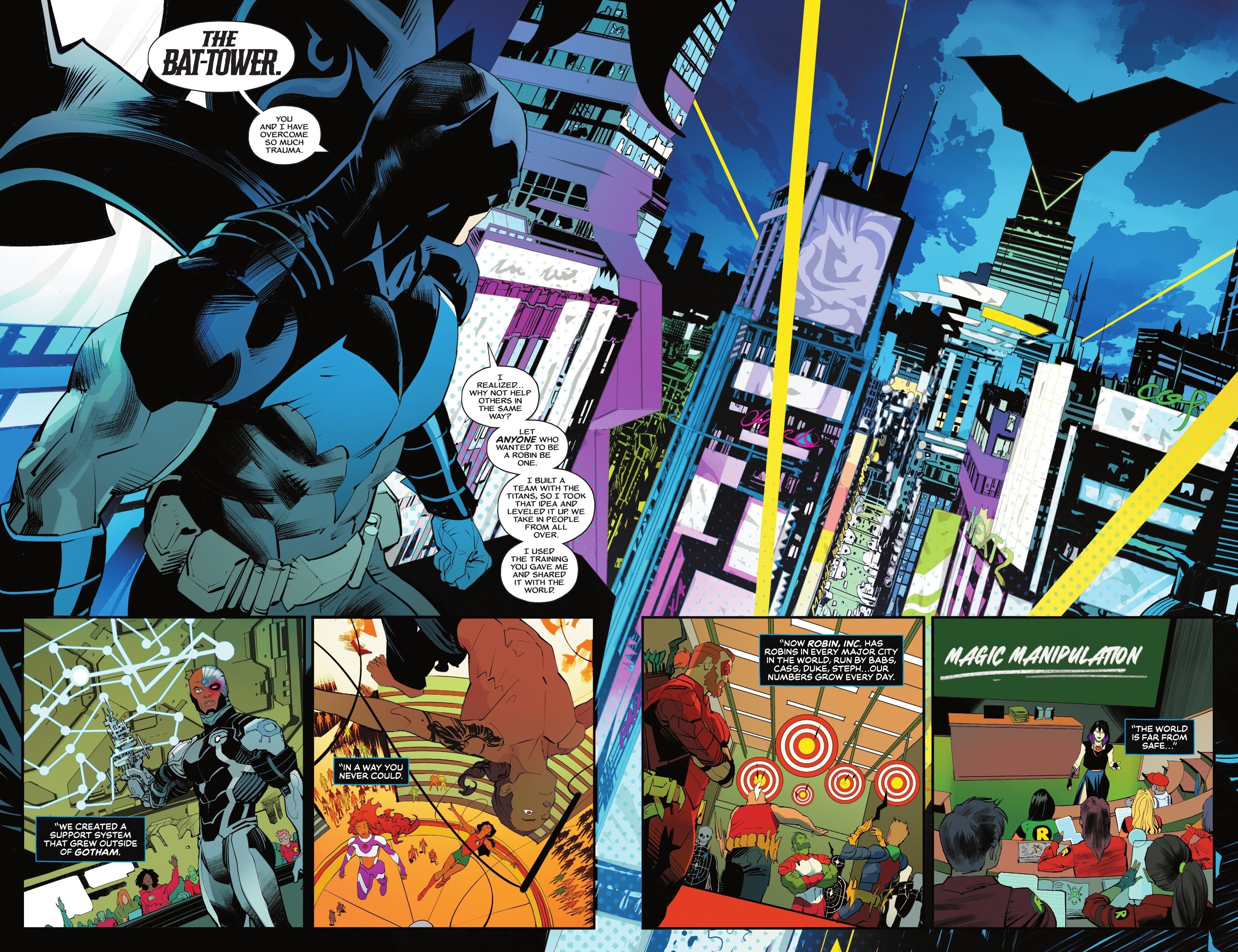
DC’s Absolute canon is an example of how brand-new alternate universes can carve novel paths. That’s not to say a movie or TV show couldn’t decide to manifest a fully original iteration of Batman, though it’s true what Snyder posits about theatrical releases: brand synergy, at least revolving around live-action or animated/streaming service productions, feasibly limits how much those creative boundaries can be pushed.
Snyder argues that “movies and TV now are kind of stuck with a lot of the storytelling they’ve been doing for a while because they have theme parks devoted to those characters.”
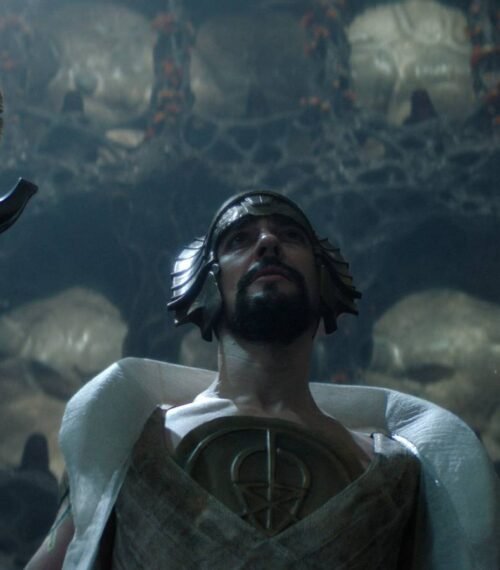
Take the DCU’s Batman—Robert Pattinson’s Batman is purportedly only existing within the DCU’s distinct Elseworlds realm, with another actor supposedly being cast to play Batman in James Gunn’s broader, mainline DCU. The fact that Matt Reeves’ established DC Elseworlds universe needs to be distinguished so heavily now from that of what the DCU is crafting would never be the extent comics go to in order to state, “this run is not canon,” or “this run is not related to this other run, and doesn’t share its continuity.”
There is an expectation or desire with superhero movies, thanks in no small part to the MCU, perhaps, that they bleed into one another to fashion a wider universe. In movies, more so than TV, superheroes themselves aren’t afforded as many opportunities for reinvention, and it can be viewed as an absurdity if they are.
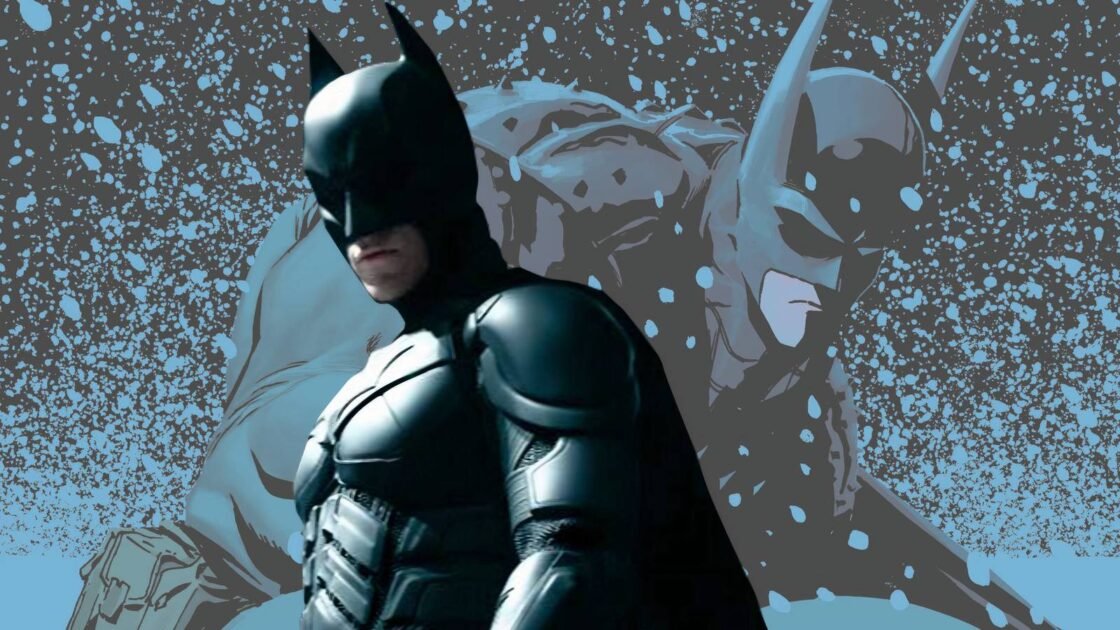
The number of actors who’ve portrayed different iterations of Spider-Man or Batman in live-action may seem odd to some non-comic-reading audiences, for instance. Those same fans would then be startled to learn how many comic writers and artists have reinterpreted or redesigned them.
The premise of ‘superhero fatigue’ or retelling a superhero origin story ad nauseam stems from movie adaptations of comics, and it’s the wilder, unapologetic swings that comics can take artistically—as Snyder states—that allow them to branch out freely.