














After his passing, Rob Reiner's film being Spinal Tap II: The End Begins takes on new meaning. The entertainment world was shocked when news broke that Rob Reiner and his wife, Michele Singer Reiner. had been killed in their home in Los Angeles. This has led to plenty of retrospection on Reiner's contributions to the wider culture.
His latest film was the follow-up to one of his most acclaimed comedies, This is Spinal Tap. It's a silly film that doesn't quite live up to the legacy it is revisiting, but it's a fun story about old friends reuniting. It was already plenty bittersweet, but that tone takes on a new resonance in light of Reiner's passing.
Spinal Tap II Was A Perfect Send-Off Movie For Rob Reiner

Rob Reiner's final film was Spinal Tap II: The End Begins, the long-awaited sequel to the 1984 comedy classic. The film brought back the original cast stars of the film, as well as Reiner's self-insert character, a documentary director named Marty DiBergi. Reiner directed the movie, co-wrote it, and reprised his role from the first movie.
Reuniting the band that his most famous (and to date, only) film is about, DiBergi is once again a comic side character. It's a perfect role for Reiner, who was always comedically charming, whether in his youth opposite Archie Bunker in All in the Family or throwing curses as Jordan Belfort's father in The Wolf of Wall Street.
Marty is calm and charming, but also accident-prone and perpetually unlucky. Spinal Tap II isn't really about DiBergi, with the character's appearance less than even in the first film. However, his genial touch gives the film's typically harsher comedy a kinder edge, even when he ends up becoming the target of irate stars or frustrated musicians.
Rob Reiner's Final Two Scenes Are A Perfect Goodbye To The Filmmaker
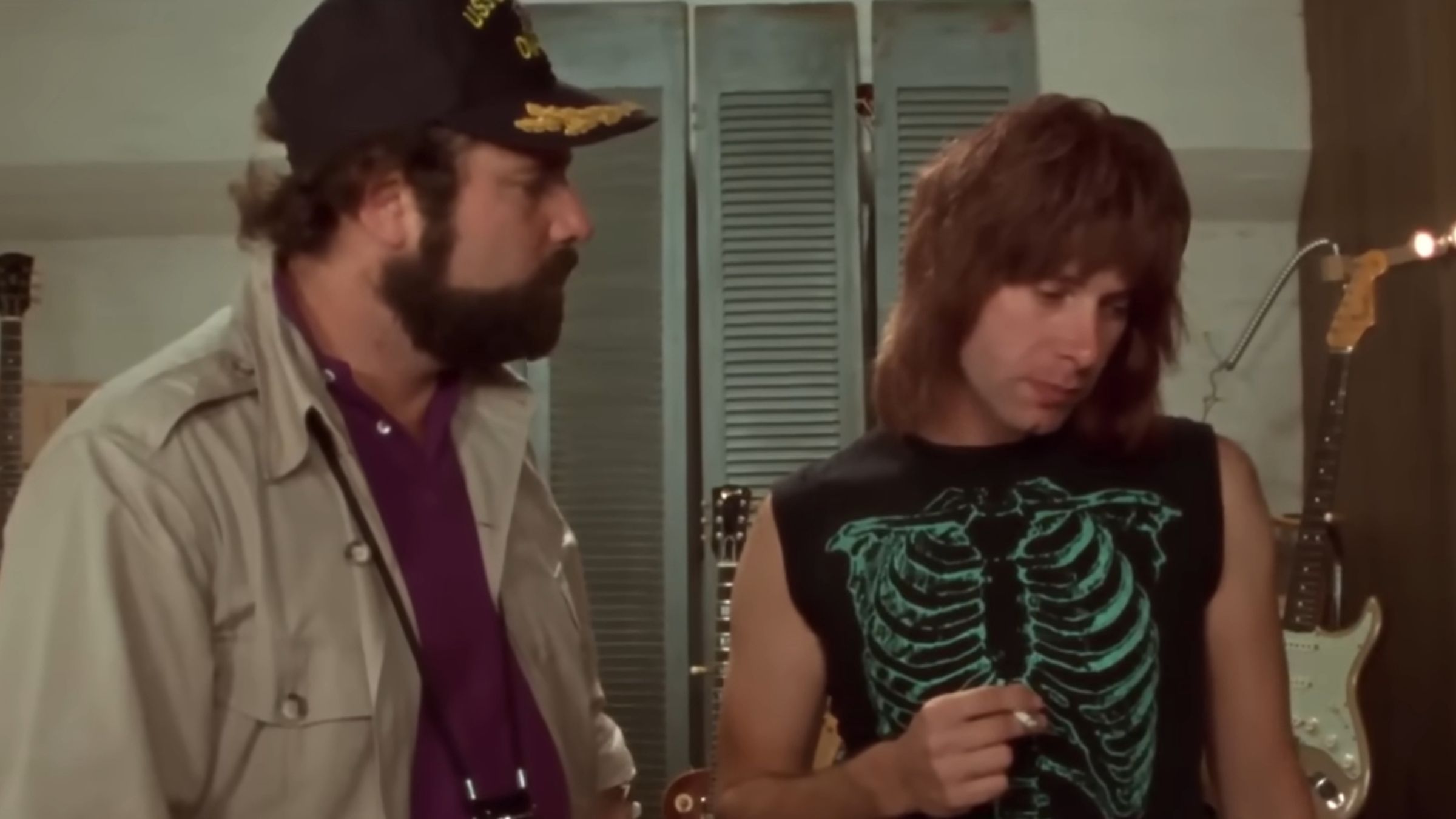
In particular, the final scenes featuring DiBergi are now retroactively the final appearances of Rob Reiner in a film, and they're quietly great send-offs for the filmmaker. In the hospital room of the band and fellow musician Elton John after their disastrous reunion show, DiBergi awkwardly tries to help clear the tension — infuriating John in the process.
It's a funny moment, his polite question to Elton John for coverage being met with a blunt expletive that DiBergi brushes off with a calm "yeah, that makes sense" sort of vibe. It's a silly beat that highlights Reiner's talents as a performer, which largely took a backseat to his role as a director and writer over the years.
The final post-credits gag of the film is just as funny, but with a little bit of the dark comedy and soft heart that Reiner brought to most of his works. The last scene sees DiBergi chatting with the band's drummer Didi and congratulating her on being the first Spinal Tap drummer to not die while in the band.
This, of course, sets up the final punchline of the film, wherein the health-conscious Didi suddenly chokes on a nut, forcing DeBergi to rush over and give her the Heimlich. It's a silly gag, but also reflective of Reiner's ingrained humanity, wherein the documentarian immediately abandons his camera to help someone in trouble.
Spinal Tap II may not be as good as the original film, but it benefits from the clear love for the material that seeps out of Reiner in each of his scenes. This reflects the lightness of the filmmaker, an affection that can be seen in classic movies like Stand by Me and The Princess Bride.
It makes Spinal Tap II a perfect send-off for the filmmaker, showcasing him at his silliest while highlighting the enduring care he put into his films. It highlights what defined Reiner in the public eye as a humble and funny figure, letting the filmmaker go out on a happy note that makes Spinal Tap II all the more meaningful.