














Warning: SPOILERS lie ahead for We Bury the Dead!
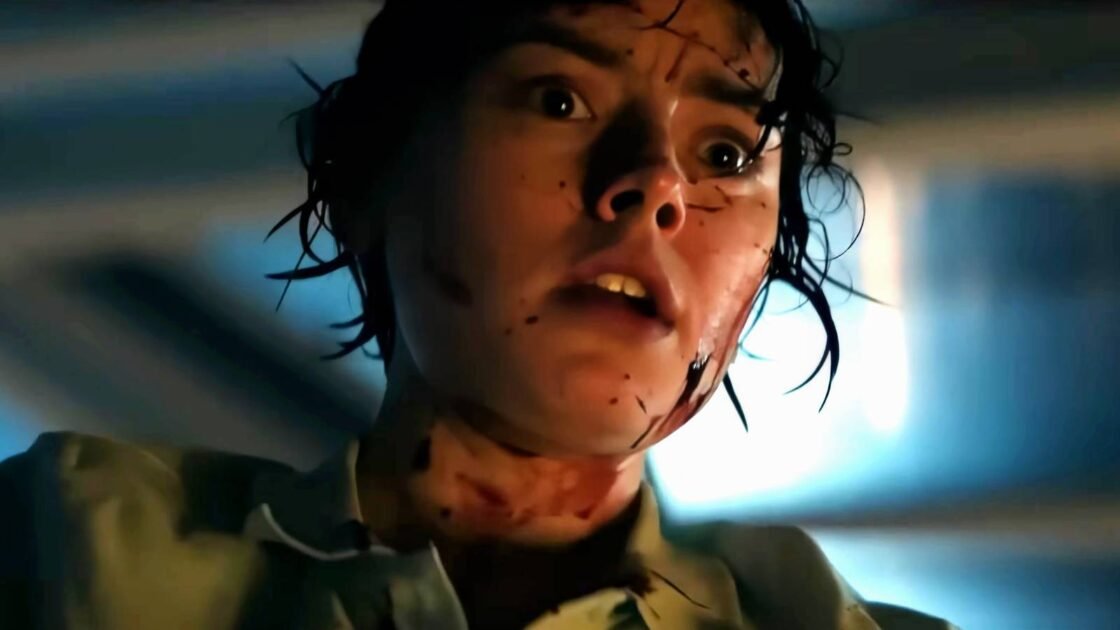
Daisy Ridley's journey comes to a very tragic conclusion in We Bury the Dead, though the star finds it's not as tragic as it might initially appear. The Star Wars alum leads the Australian horror movie as Ava Newman, a woman who travels to the Australian island state of Tasmania in the wake of a US military experiment that kills 500,000 people, some from the initial explosive blast of the bomb, while the rest are from a pulse sent out by the bomb that shut off their brains.
Joining one of the country's body retrieval units, Ava sets off across the country in the hopes of finding her husband, Matt Whelan's Mitch, with whom she was having marital problems with prior to his disappearance. Working with local tradie Clay, played by Titans vet Brenton Thwaites, Ava is not only mortified by the dead bodies they come across, but even more so as they begin to wake up and prove hostile.
This all culminates in We Bury the Dead's ending, in which Ava and Clay successfully reach the resort Mitch was staying at. However, she finds him to have indeed been a victim of the experimental blast, giving her a sense of closure as she also learns Clay has been mourning the death of his pregnant wife. As they set off to return to their lives, they come across a pregnant zombie that's just given birth to a baby, with the pair taking the newborn just before the closing credits.
Ahead of the movie's wide release, ScreenRant's Tatiana Hullender interviewed Daisy Ridley and Brenton Thwaites to discuss We Bury the Dead. When asked about the movie's ending and what the final scene meant to her, Ridley found that it touched on the theme "that there's always something to hold on to," and that for Ava, "there's a lot that she is able to digest", especially since she's not quite "at the end of her emotional journey":
Daisy Ridley: There is a closure that she finds, and that moment. Zak said that that was always in whatever draft he was on; that moment of a little tiny miracle in all of the devastation and all of the chaos. That is the little spark that will carry her and Clay through.
Ridley & Thwaites Found Something In Each Other Similar To How Their Characters Do
ScreenRant: I loved We Bury the Dead, and I was interested in Ava's connection to her husband being built through these quick but poignant flashbacks. Did you have discussions with your costar about that relationship, or did you make any additional choices for yourself that informed her performance in those scenes?
Daisy Ridley: Interesting. I think we must have done. We had a few days before we started filming where we just sat and spoke through the relationships. What's incredible about Matt Whelan, who plays Mitch, is that he's such a wonderful actor. We filmed the wedding scene first, so it was really wonderful in many ways to film the happiest moment for Ava at the beginning. That was then the grounding for everything else that was to come. But I think really, in those moments, it's often your relationship with the actor that you're working with that informs it. In the wedding scene, I was like, "Oh, my God. This is the first time we're on camera together, and this is what we're doing." But I felt very comfortable with him. With the pregnancy test scene, there were different versions of it; the camera was where it was, and we were where we were, and there was a lot of room in that to just play. But so much of that was me feeling very comfortable with Matt, and then Zak feeling comfortable letting us find that in the moment.
ScreenRant: Ava and Clay are on this journey together for a lot of the film, but at first, they're closed off from each other, especially on his end. How did that dynamic evolve both on screen and then offscreen with Brenton?
Daisy Ridley: Brenton and I got on really well from the beginning. He really reminds me of my brother-in-law, so I just immediately loved him. He's very lovable. And as we were going, I think there was a levity that he brought out in me and in Ava that I wasn't expecting. There's just a level of understanding that they're both in this thing, and they're both doing it together, and Ava believes that Clay means well. Even when she's trying to ask him questions that he doesn't want to answer, she understands, because there are things that she's not ready to talk about yet either. When they came back together after their separation, that moment felt so emotional, and really so lovely, because they'd already done so much together without knowing all of the extra stuff. It's such a real, proper, wonderful friendship between the two of them. But offset? Brenton and I were having the best time the whole time.
ScreenRant: When we first meet your character, Clay, he seems a little closed off from Ava. Can you talk about his first reaction to her and how their dynamic evolves?
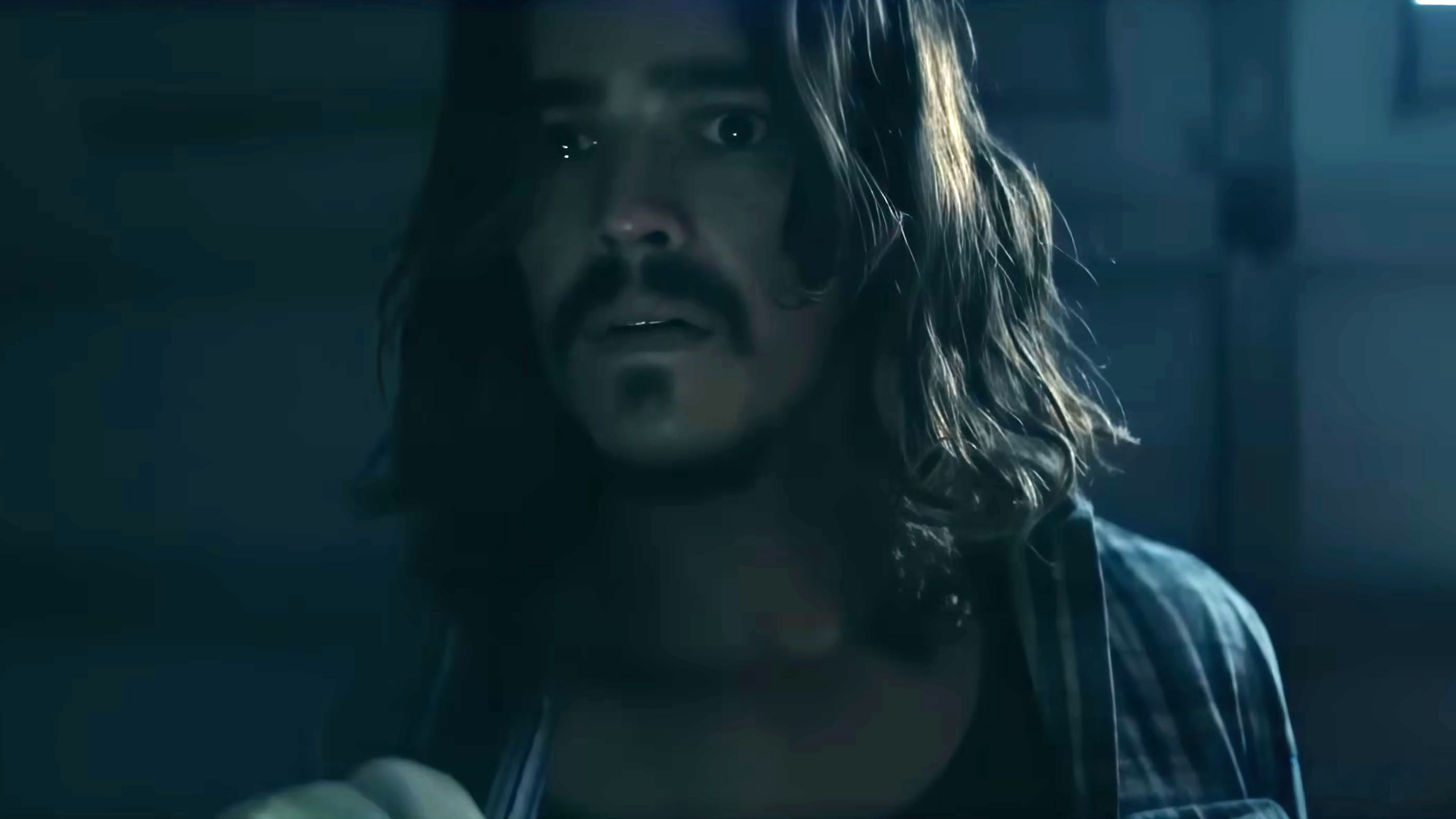
Brenton Thwaites: It's funny. I think that they just see familiarity, and I think what she sees in him is that he's running from something. Despite the veneer, despite the cigarettes and the tattoos, and the nonchalant attitude to all this chaos, she sees who he truly is and knows that he is running from something. And I think he sees that she's running to something, and he ultimately decides to help her out on the journey and risk his own self to help her succeed. Clay is just so damaged. Maybe he doesn't care about his safety, or maybe he's a bit reckless, but he's that character who is a bit self-hating and doesn't care if he lives or dies. But by the end of the movie, you get a sense of him starting to forgive himself and starting to come to terms with who he is. He's beginning to answer some of those inner questions that have been troubling him throughout the film. Obviously, Ava does the same thing, but maybe just a little bit more literally.
ScreenRant: In the film, he explains what drove him to join in the first place, but we don't get all that much about his life beforehand. Did you discuss his backstory with Zak Hilditch, or did you make any choices for yourself to further inform his story beyond the script?
Brenton Thwaites: Yeah, it was one of those things where you could dive deep into what street he grew up on. Was his dad an alcoholic? Was he raised by a single mom? Did he lack a lot of male influence, hence the tattoo to show he is tough or whatever; the cigarettes and the alcohol? But I think at the end of the day, the tattoos of his wife and child show that he has this connection to his family, who he obviously misses, and he regrets making a mistake. The simplicity of that was a little bit more important and easier to hold onto as a choice than really complicating and overloading this guy. He might've been closer to me than I would've thought, and there are a lot of things there derived from the Aussie tradie culture. This guy's a builder, which some of my mates and my neighbors are, so it's kind of easy to draw from that group of young men. It's a mix of different things, but ultimately it's just that one simple longing for family that was my throughline.
ScreenRant: I love the backdrop of the film, especially all the outside scenes. Can you talk about how filming on location affected the outcome?
Brenton Thwaites: We shot in a town called Albany in Western Australia, which is about four hours south of Perth, and it was one of the most amazing locations I've ever shot in. It was beautiful. The movie was set in Tasmania, but this coastline is rugged, it's beautiful and remote, and it was just great to have a horror that was set outside and not in a room or in a studio. I've actually just come off another horror movie, which was filmed in the studio with a very different vibe. Being on location in a little town with the crew and cast is just magic. You're shooting in these locations where it's not very hard to imagine this scenario; you're in it. It's just easier to put yourself into that time and place, and it's my favorite way to shoot.
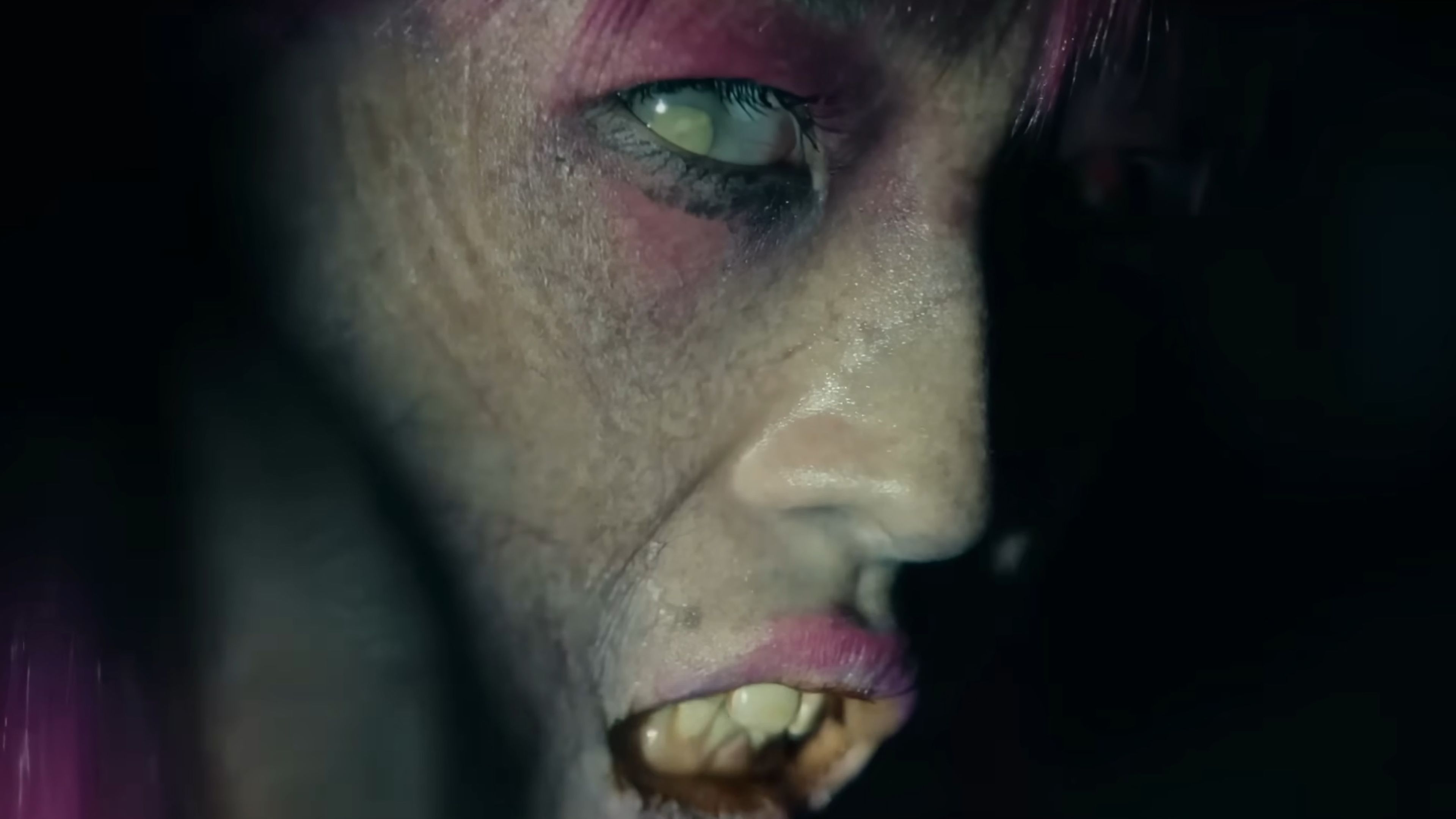
ScreenRant: The zombies, or people who come back online, have unique behaviors and overall look — the teeth gnawing is particularly grotesque. What was that like on set? And then how do you think seeing the first aggressive ones changes Clay's perspective?
Brenton Thwaites: That's a good question. I think that was one of the most interesting parts of the film. When we were shooting it, I just had this thought that they're all one tone of zombie, but there are really different zombies. The first two or three zombies we meet, we kind of feel sorry for them in a way. They've been infected, and the military comes in and takes care of business. But throughout the film, we learn that these zombies — if they have an unfinished task — may come back online or back into consciousness. That's just a point of the story that's interesting. I mean, nothing really develops from that other than just having another element to the zombies that's not stereotypical. I think Clay's just there to take care of business, though. It shocks him, but he's not really a heroic guy to go and get an M-16 or Bowie knife and just start slashing zombies. I definitely think that you feel that protective nature with Ava, though, and that he would do anything to protect her. I think that the core of him as a civilian hero is definitely seen after that first aggressive zombie.
ScreenRant: Before We Bury the Dead, did you have a favorite zombie film? What is your favorite aspect of the horror genre in general?
Brenton Thwaites: I really love District 9. I know it's not a zombie film, per se, but I think it qualifies. In a similar way, there's this thing running rampant around the town. It's one of my favorite films of all time. South African, low-budget, performances are mint.