















Apple TV+ has cemented itself as the streaming home of ambitious original science fiction, stacking its lineup with cerebral thrillers, glossy space operas, and daring speculative dramas. Yet nothing on the platform demonstrates how it earned that reputation better than Foundation, a sprawling adaptation that treats TV like a blockbuster canvas and refuses to think small.
Apple’s adaptation of Isaac Asimov’s Foundation novels keeps surprising viewers, even those well-versed in hard science fiction, balancing dense theoretical ideas with character-driven stakes. It respects Asimov’s heavy concepts like psychohistory while delivering the spectacle of interstellar wars, proving that visual spectacle and cerebral storytelling can exist side-by-side on the small screen.
When Foundation returns for season 4, the narrative will sit at a pivotal crossroads, with rebellions rising, empires fracturing, and predictions failing in dangerous ways. The scope of the epic story only expands further, and the series looks poised to grow larger, louder, and even more ambitious as it goes on.
Foundation Is The Most Ambitious Sci-Fi Show On TV
Apple’s Hit Turns Dense Sci-Fi Theory Into Blockbuster Television Without Compromise
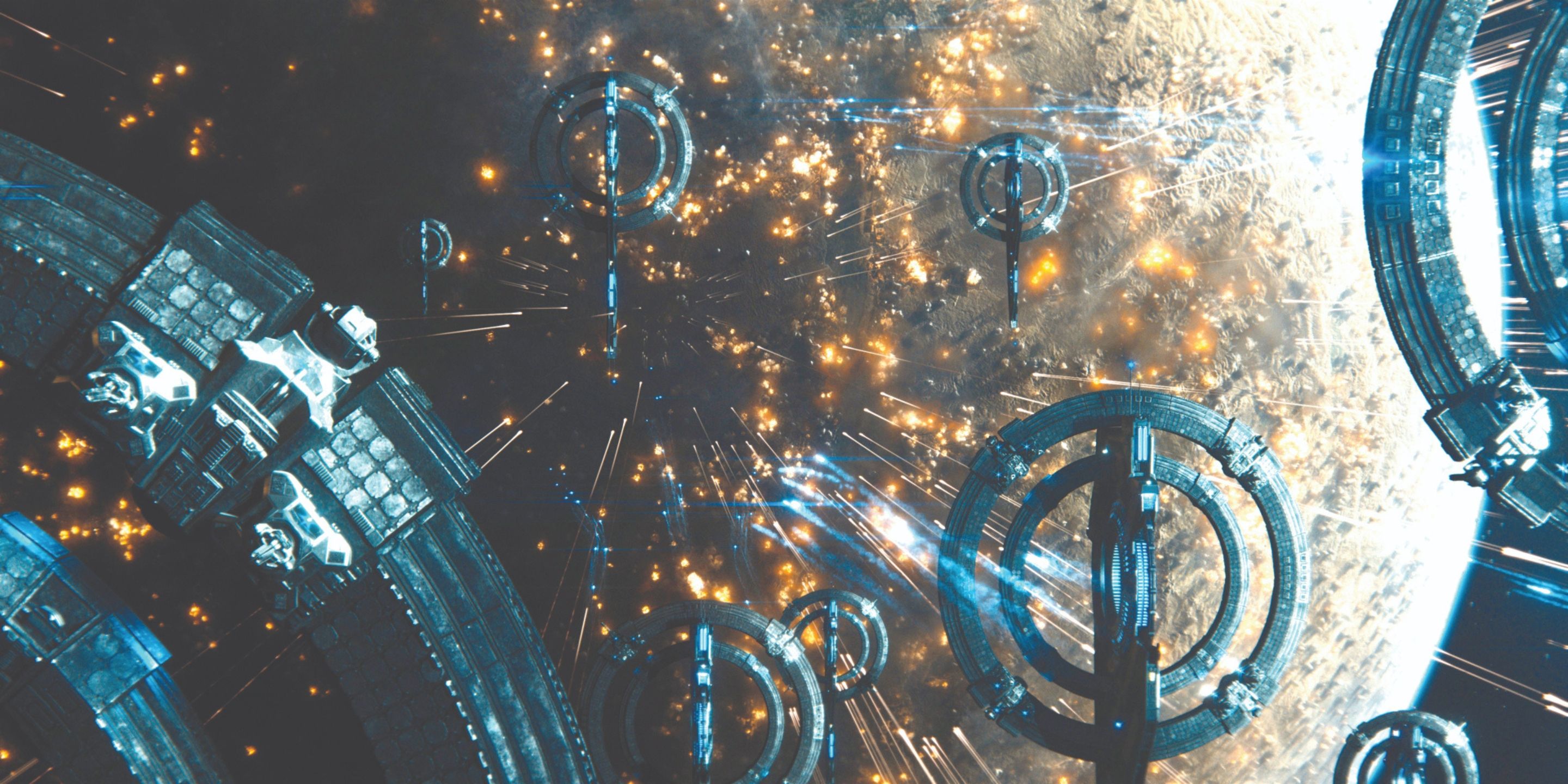
From its opening moments, Foundation signals that it operates on a scale few TV shows even attempt. Planets rise and fall. Centuries pass between seasons. Entire civilizations hinge on equations. Where most sci-fi narrows its focus to a single ship or crew, Foundation tracks humanity across the galaxy, treating history itself as the protagonist.
At the center is Hari Seldon (Jared Harris), the mathematician who predicts the fall of the Galactic Empire and designs a plan to shorten the coming dark age. His psychohistory, one of Isaac Asimov’s most intriguing sci-fi concepts, isn’t a gimmick; it’s the engine driving every conflict. The show commits fully to that intellectual premise, trusting audiences to keep up rather than simplifying its ideas.
Visually, Foundation rivals theatrical releases. Trantor’s endless cityscape, the genetic dynasty’s gleaming palace, and far-flung frontier worlds all feel distinct and tactile. The production design sells scale without resorting to empty spectacle. Massive sets and carefully rendered effects create a lived-in galaxy that feels older and grander than most film franchises.
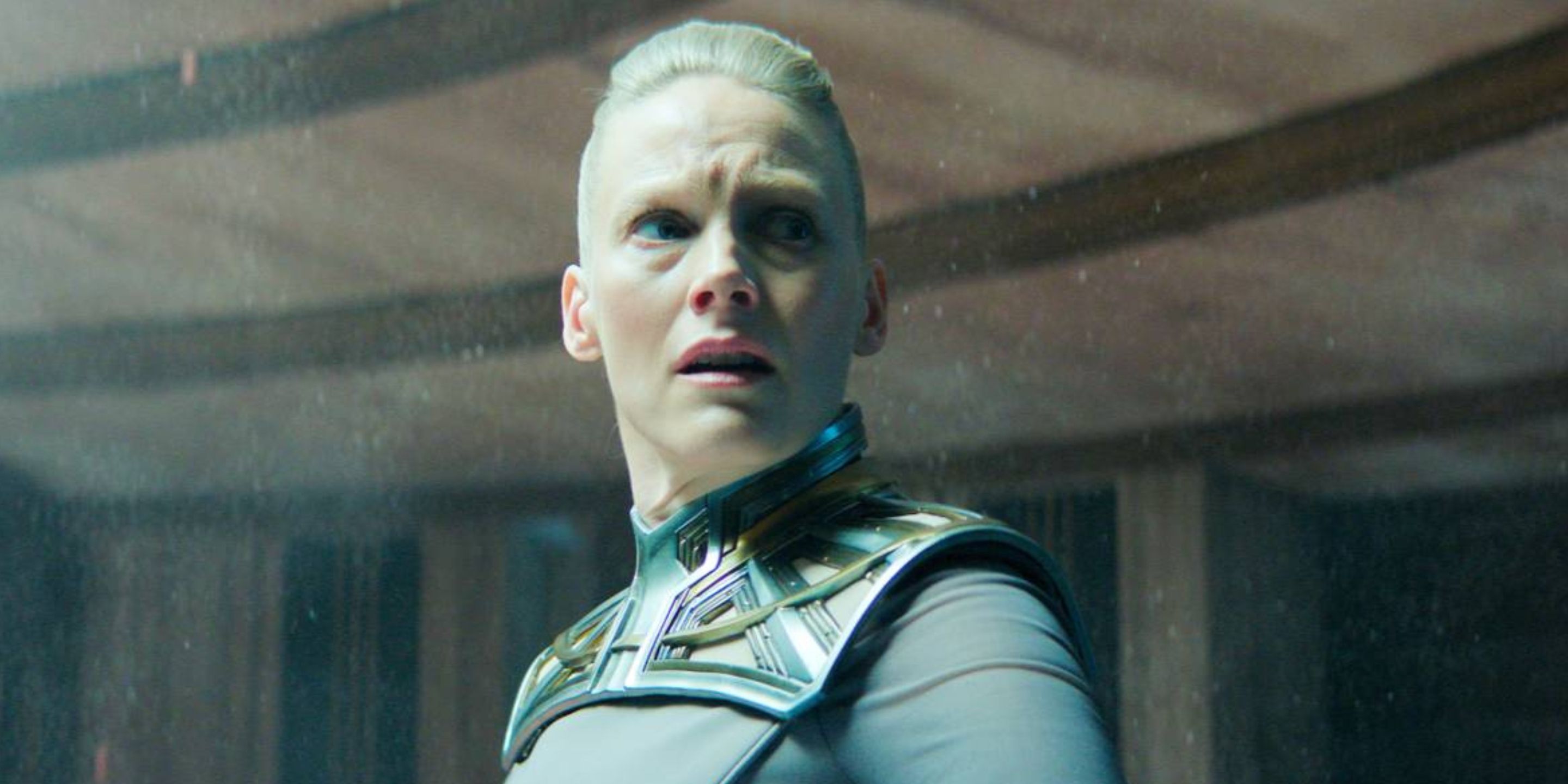
That ambition extends to Foundation’s thematically deep character arcs. Gaal Dornick (Lou Llobell) wrestles with destiny, while Brother Day (Lee Pace) embodies imperial arrogance with operatic intensity. Demerzel (Laura Birn) adds eerie stillness to every scene. The result is a prestige TV show that still embraces classic sci-fi grandeur, refusing to shrink its story for safety.
Foundation Grows In Scale With Each Season
Each New Chapter Raises The Stakes And Expands The Galaxy Without Losing Focus
Season 1 established that Foundation wasn’t a sci-fi show that would pull its intellectual punches, and later seasons didn’t let up on this. If anything, they punched harder. Time jumps grow bolder, alliances fracture faster, and the consequences of Seldon’s plan become harder to control. Foundation doesn’t simply add more effects or locations; it deepens the historical weight behind every decision.
Foundation season two in particular massively expands the scope. The Cleonic dynasty begins to rot from within, rebellions spark on the edges of Empire, and the Foundation itself becomes something more complicated than a scholarly outpost. Political maneuvering sits alongside space warfare, giving the narrative both intimacy and epic sweep.
Interestingly, that sense of growth isn’t just about money on screen. Behind the scenes, original showrunner David S. Goyer stepped down amid budget disagreements with Skydance (via THR). Yet, despite these financial restraints, Foundation never feels like it's narrowing its ambitons. Instead, it channels resources more carefully, prioritizing story and character over empty excess.
That discipline pays off. Battles feel consequential, not decorative, and quieter episodes carry as much weight as explosive ones. By focusing on escalating stakes rather than pure spectacle, Foundation gives each season the feeling of a natural evolution, making the galaxy seem larger and larger with each installment.
How Many Seasons Foundation Needs To Cover All The Books
The Series’ Flexible Structure Means Its Endgame Could Be As Vast As Its Universe
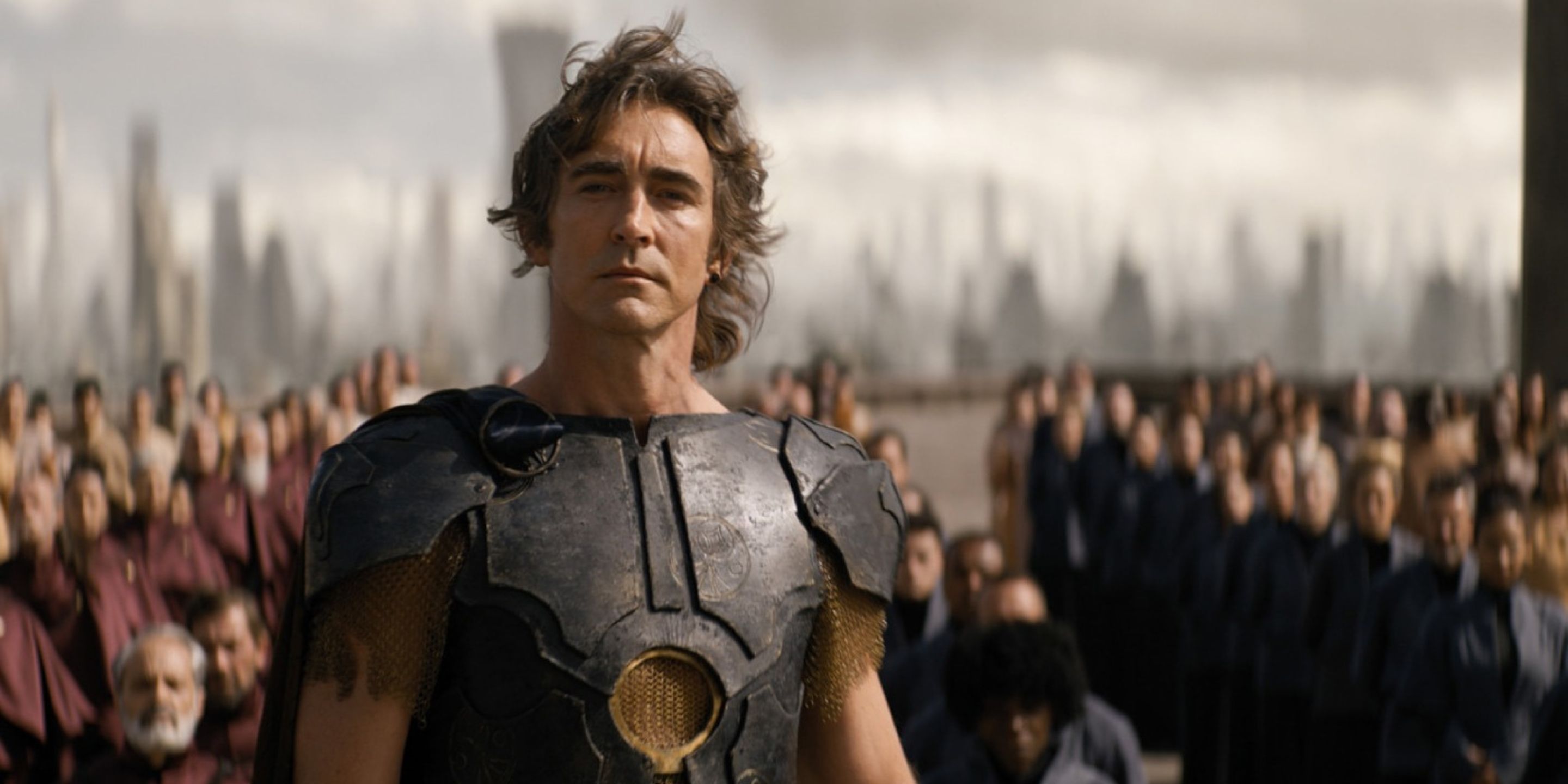
Predicting how long Foundation will run is almost as tricky as psychohistory itself. The Apple TV adaptation draws from multiple novels in Isaac Asimov's 7 book series, but refuses to follow their timelines strictly. Characters who were minor in the books become central, while events are rearranged to create stronger emotional throughlines for TV audiences.
That creative freedom makes a one-to-one adaptation impossible to map. Instead of ticking off plot points, Apple’s Foundation captures the core themes of Asimov’s work: cycles of collapse, the illusion of control, and humanity’s stubborn resilience. This approach allows the writers to compress decades into episodes or stretch a single political shift across an entire season.
Before stepping back, David S. Goyer reportedly envisioned an eight-season plan for the saga (via Decider). That target feels fitting given the sheer scope involved. The fall of Empire, the rise of competing Foundations, and the mystery of the Mule all demand time to breathe if they’re going to land with proper impact.
If Apple TV+ commits to that long game, Foundation could become one of streaming’s rare multi-season sci-fi epics. Given its growing fanbase and steadily improving execution, letting the story unfold across many years feels less like a gamble and more like an inevitability.