

















The Unstoppable Juggernaut Faces a Midseason Crisis
Justin Hartley’s Tracker is not just a television show; it is an industry phenomenon. Based on the rugged survivalist Colter Shaw from Jeffrey Deaver’s The Never Game, the CBS procedural has been unstoppable, consistently dominating the ratings and positioning itself as the indisputable most-watched network scripted show of the current television season. Averaging just shy of 14 million viewers across all platforms in a seven-day window, Tracker is a fortress of success, leaving rivals—even established hits—in its dust. It even commands a staggering 1.5 million viewer lead over its closest competitor, ABC’s High Potential.
Yet, in the hyper-competitive arena of primetime television, no success is sacred. Despite its flawless performance, Tracker is being forced to move. CBS has announced a controversial scheduling shake-up that will see the series return from its midseason hiatus in 2026 not in its established, winning slot, but pushed back an hour. This isn't merely a time change; it's a profound strategic maneuver by the network, one that has ignited fear among the fandom and whispered rumors about the true cost of television dominance. Why would the number one show in the country be forced to surrender its established territory? The answer lies in the explosive arrival of a rival empire.
They’re moving the best show on TV to make room for a *Yellowstone* spin-off? This is a massive slap in the face to Colter Shaw and the whole team. It feels like we’re being punished for being too successful. – Fan Quote, @TrackerLoyalist
The 9 PM Battleground: A Calculated Risk or Corporate Betrayal?
The concrete details of the shift confirm the worst fears of the Tracker faithful: when the show returns on Sunday, March 1, 2026, it will no longer air at 8 PM ET. Instead, Colter Shaw will be forced into the 9 PM ET timeslot. This is a profound shift, one that immediately places the series into a much more difficult, cutthroat battleground. The sacred 8 PM slot, which served as Tracker’s launchpad for two successful seasons, will now be occupied by the high-profile Yellowstone universe spinoff, Y: Marshals.
This move is a clear sign that CBS is prioritizing the creation of a new franchise empire, using Tracker's proven ratings strength as a foundational lead-in for two new series: the highly anticipated Taylor Sheridan project at 8 PM, and Watson Season 2, which will claim the 10 PM slot. While the network is relying on Tracker’s massive built-in audience to follow Colter wherever he goes, the 9 PM hour traditionally sees a drop in viewership compared to the 8 PM slot. This shift, orchestrated for corporate synergy, is a calculated risk that treats the number one show as a piece of infrastructure rather than an independent creative entity. The dramatic irony is palpable: the show about a rugged, independent survivor is now subject to the whims of the largest corporate machine in broadcast television.
The Shocking Cast Purge Context: Was This a Prequel to the Move?
The scheduling move gains a darker, more unsettling context when viewed through the lens of Tracker’s recent casting upheaval. Prior to Season 3's debut, the show eliminated nearly its entire original support team. Abby McEnany and Eric Graise, beloved as Velma and Bobby, departed, following the earlier exit of Robin Weigert’s Teddi. The official narrative painted happy endings—Bobby secured a lucrative job, and Velma embarked on a healing journey with Teddi—but the sudden, unexplained nature of the purge left fans feeling betrayed.
Now, speculation runs rampant: Were these exits a preemptive strike? Did the network already know that Tracker was destined to be relocated and decide to trim costs and simplify the narrative structure ahead of the shift? Cutting recurring roles often signals budgetary concerns, or perhaps a desire to streamline production for a more challenging time slot. This dramatic internal shake-up, followed by the external scheduling crisis, suggests a period of unprecedented instability for a series that appeared unshakeable just months ago. The cast may have left the show, but the network is forcing the show itself to leave its home.
The Russell Shaw Distraction: A Brilliant Bait and Switch?
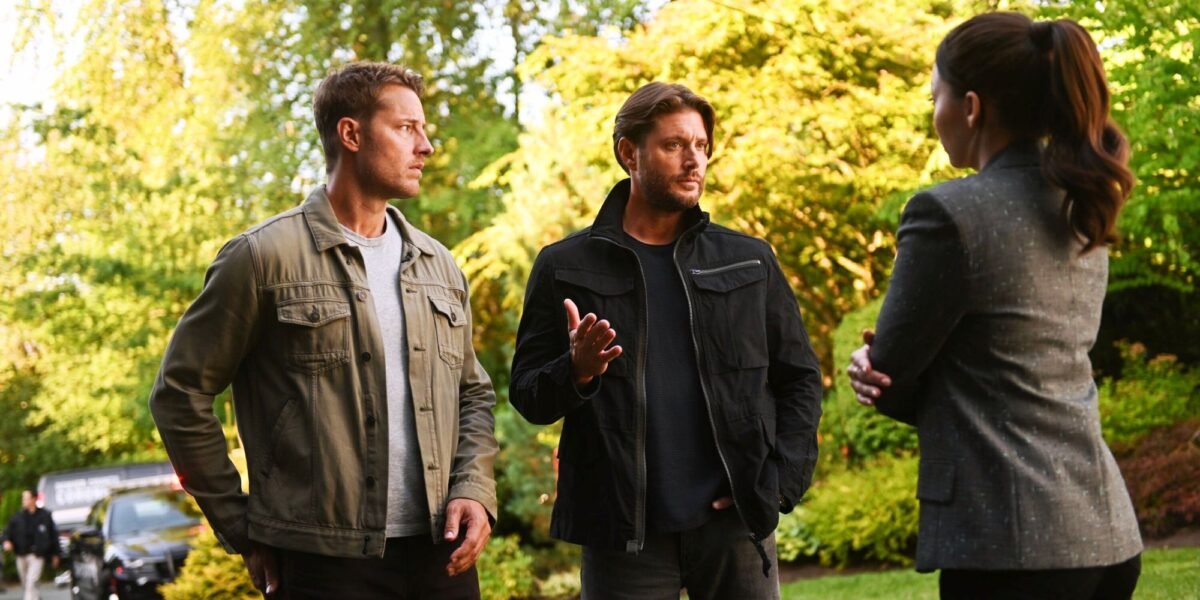
Interestingly, the shift comes on the heels of one of the show's biggest creative victories: the return of Jensen Ackles as Russell Shaw in the two-part Season 3 premiere. The introduction of Ackles' star power was a monumental event, drawing huge attention and reinforcing the show's massive appeal. His character, Colter's estranged older brother, provided an immediate, compelling reason for fans to tune back in, riding the wave of that shocking Season 2 ending.
But Ackles' presence now feels like a brilliant narrative distraction. Did the network use the promise of the Supernatural star's guest arc to build an insurmountable ratings lead, giving them the confidence to then deploy the controversial time slot move? The return of Russell Shaw was a narrative lightning rod, but once that initial jolt of energy dissipates, the show must navigate the 9 PM hour with its newly depleted core cast and the fierce competition it now faces. The stakes for the second half of Season 3, post-hiatus, are now impossibly high.
The Emotional Toll on Colter and Reenie: A Broken Trust
For a character like Colter Shaw, whose identity is defined by independence and distrust, this network maneuver echoes the chaos of his own family's history. Just as his family was forced into hiding and fractured by external forces, Colter’s professional environment is now being dictated by boardroom politics. This instability will inevitably bleed into the narrative. Executive Producer and showrunner Elwood Reid has promised to hold onto the core of Colter’s story, but the emotional truth of his world is changing.
The move also puts immense pressure on Fiona Rene’s Reenie Green. As the last consistent presence from the initial cast (though not an original team member), her loyalty to Colter will be tested. Will Reenie feel the pressure of the new, highly scrutinized time slot? Will the need for bigger, more explosive cases—a frequent network demand for later hours—force her to push Colter into danger he wouldn't normally face? The network's decision creates an inescapable feeling of paranoia, mirroring the unresolved, tense relationship between Colter and his brother Russell. Trust, for Colter, is always fragile; the network just gave him another reason to be suspicious of every move.
The Rise of Y: Marshals and the New Television Empire
The replacement occupying Tracker’s original 8 PM slot, Y: Marshals, is not just another show; it's the latest extension of the Yellowstone universe—a brand synonymous with prestige and massive viewership. This is CBS placing its own ratings champion into the service of an outside creative force (Taylor Sheridan’s growing empire). This strategic decision illuminates the desperation of broadcast networks to hitch their wagons to proven, cinematic franchises, even if it means sacrificing the comfort of their own original hit.
The hope is clear: Tracker will serve as the perfect, high-octane setup for the new western procedural, feeding it a massive, warmed-up audience. But if Tracker’s ratings dip at 9 PM due to the move, the entire Sunday night domino effect could crumble. This is less about Tracker’s weakness and more about the perceived, overwhelming power of the Yellowstone world, which is forcing established success stories to make room at the table. It is a terrifying glimpse into the future of network television, where creative merit must bend to corporate synergy.
The Fan Theory: The Move is a Testing Ground for Streaming
One of the most provocative fan theories circulating online is that the move is not solely about Y: Marshals, but about preparing Tracker for a deeper streaming commitment. The 9 PM slot often caters to a slightly older or more intense audience, which may align better with the show’s eventual transition to its streaming platform home, given the industry trend of network shows shifting to digital dominance.
If Tracker can maintain its staggering 14 million average in the 9 PM slot, it proves the show’s audience is loyal to Colter Shaw, not the clock. This metric would give the network incredible leverage in future negotiations regarding licensing and streaming window exclusivity. The move, therefore, might be a bizarre, public stress test: Can the number one show in the country survive the network trying to kill its momentum? For the sake of Colter Shaw’s longevity, fans desperately hope the answer is yes.
The Unsettled Future: What Happens After March 1st?
The showrunner, Elwood Reid, has a massive task ahead of him when Tracker returns on March 1st. He must navigate the show’s ongoing mysteries—the fate of Colter's family, the secrets of the rewardist code, and the growing tensions between Colter and the outside world—while simultaneously fighting the highest-stakes battle of all: the ratings war in a new, unforgiving time slot.
The established Sunday night viewing habits are notoriously hard to break. Will the Tracker fandom adjust their clocks and follow Colter into the 9 PM hour? Or will the combination of the controversial cast purge and the strategic time slot shift prove to be the one challenge Colter Shaw cannot survive? The next chapter of Tracker will not only determine the fate of the show itself but will serve as a stark warning to every other successful series on network television: **No matter how big you are, you are always replaceable.**