














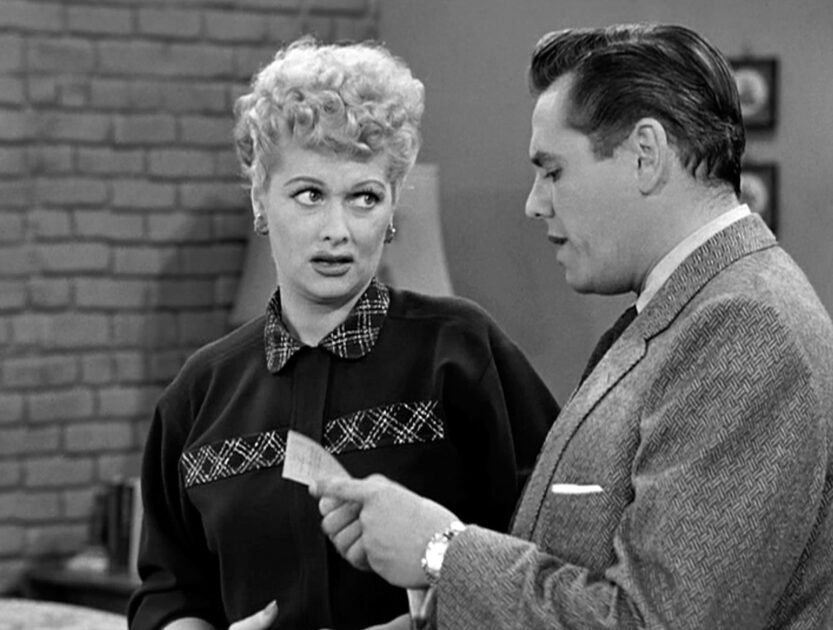

The red headed lie that built an empire
Hollywood is a city built on smoke and mirrors, but Lucille Ball might have pulled off the biggest optical illusion in television history. We are digging into the archives and the dirt is flying. While the world fell in love with the zany, flame haired Lucy Ricardo, it turns out the vibrant look that defined a generation was about as real as a three dollar bill. The industry is buzzing over the revelation that Lucy was actually a natural brunette who spent decades masking her true identity to climb the corporate ladder at Desilu.
Sources close to the production of I Love Lucy are finally speaking out about the lengths the studio went to in order to protect the brand. Ball did not just dye her hair; she manufactured a persona. She was pushing and desperate for a hit after years of failing to make it as a serious actress. The brunette version of Lucille Ball was a struggling B-list player who could not catch a break. It was only when she traded her natural locks for a bottle of chemicals that the money started rolling in. Talk about a calculated PR move.
The fans are absolutely losing it over the fact that their favorite redhead was technically a fraud. One person posted online about the shocking transformation and how it changes the entire legacy of the show. People are questioning what else was faked during those golden years of television. Was the marriage a stunt? Was the comedy a cover-up for a cold, calculating business mind? The questions are piling up faster than Lucy can wrap chocolate candies on a conveyor belt.
Lucy being a secret brunette is the biggest betrayal of my childhood. Everything I know is a lie.
The mystery sheikh and the locked safe
If you think a simple trip to the salon was enough for this diva, think again. The behind the scenes details of Ball’s hair maintenance sound more like a spy novel than a beauty routine. Rumor has it that standard Hollywood dyes were not cutting it for the star. Enter a mysterious wealthy sheikh who allegedly stepped in to fuel Ball’s obsession with her image. This unnamed figure reportedly sent a lifetime supply of henna to the actress to ensure her hair remained that specific, unnatural shade of orange.
But it gets weirder. According to insiders, this secret stash of henna was so valuable and so essential to the Lucy brand that it was kept locked away in a safe in her stylist’s garage. Why the secrecy? Why the high security for hair products? It suggests a level of paranoia and control that the public never saw. Ball was not just an actress; she was a woman guarding a billion dollar secret. If the color faded, the magic died, and the money stopped.
The sheer logistics of maintaining this lie required a dedicated team. Stylist Irma Kusely was the gatekeeper of the safe, ensuring that not a single strand of Lucille’s natural brown hair ever saw the light of day. This was not just a makeover; it was a clandestine operation. The industry is still reeling from the idea that a foreign billionaire was essentially funding the most famous hair color in American history. It makes you wonder what else was being traded in exchange for that lifetime supply.
A secret safe for hair dye is the most Hollywood thing I have ever heard. She was a genius or totally obsessed.
The identity crisis that started it all
Before she was the queen of the sitcom, Ball was a woman in the middle of a massive identity crisis. She was not even using her real name! Our sources confirm that the actress ditched her birth name, Lucille Desiree Ball, for the more glamorous sounding Diane Belmont. It seems the woman who would become the first female head of a major studio was willing to erase every trace of her original self to get ahead. From the hair to the name, the Lucille Ball we know was a complete invention.
The transformation started with a project called Du Barry Was a Lady, where she first experimented with a shade called golden apricot. But even that was not enough for the ambitious star. She kept pushing the limits of the color spectrum until she hit that radioactive red that screamed for attention. It was a desperate play for stardom that actually worked. But at what cost? She spent the rest of her life trapped in a character that required constant chemical upkeep and a secret vault of henna.
Critics are pointing out that this behavior shows a pattern of calculated deception. Ball was not just a comedian; she was a master of branding who understood that her natural self was not sellable. The industry was cutthroat, and she played the game better than anyone. By the time I Love Lucy premiered in , the brunette model named Diane Belmont was long dead, replaced by a redheaded firebrand who would stop at nothing to stay on top.
She changed her name and her hair just to get famous. It is basically the blueprint for every influencer today.
The Desi Arnaz casting power play
The drama did not stop at her hair. Ball used her newfound influence to force the network into casting her real life husband, Desi Arnaz, despite major pushback. Executives were reportedly terrified of the optics, but Ball played hardball. She knew she had the power, and she used it to keep her personal life and professional life intertwined in a way that was almost impossible to untangle. It was a high stakes gamble that paid off, but it left a trail of scorched earth in the boardroom.
While the couple appeared happy on screen, the rumors of behind the scenes chaos were deafening. The pressure of maintaining the Desilu empire while living a manufactured life took a toll. You have to wonder if the flaming red hair was a visual representation of the fire burning through their private lives. Every episode was a carefully choreographed performance designed to distract from the reality of their turbulent marriage and the grueling demands of the industry.
Even as she became the first woman to run a major studio, the shadow of the henna safe loomed large. She was a pioneer, yes, but she was also a woman who knew that her power was tied to a very specific look. If she ever went back to being a brunette, would the audience still care? Would the sheikh stop sending the supplies? The insecurity behind the icon is starting to show, and it is not a pretty picture.
The secret cost of perfection
The physical toll of maintaining that bright red mane must have been a nightmare. Henna is not a simple process, and doing it for decades is a commitment to the extreme. Insiders suggest that Ball was meticulous, almost manic, about her appearance. She knew that any slip up would expose the truth. The suspicious behavior regarding her beauty routine was a constant source of gossip among the crew, who were often kept at a distance during her transformations.
The fact that she was nearly when she finally hit it big only added to the pressure. In a town that discards women once they hit , Ball was fighting the clock and the mirror. The red hair was her fountain of youth, a way to stay relevant and vibrant in an industry that wanted her to fade away. She was not just dyeing her hair; she was fighting for her life in the spotlight. Every application of that secret henna was a middle finger to the executives who said she could not make it.
But the question remains: was it worth it? To live a life where your most famous trait is a total lie? To have to rely on a foreign benefactor and a locked safe just to maintain your image? The insider whispers suggest that Ball was never truly comfortable with the brunette she left behind. She became the character, and the character was a redhead. The line between reality and television was blurred until it disappeared entirely.
I always wondered how her hair stayed that bright on s TV. Now we know it was literally guarded in a safe.
The legacy of a Hollywood chameleon
As we look back at the career of Lucille Ball, the narrative is shifting. She is no longer just the lovable klutz from the sitcom; she is a shrewd tactician who manipulated her image to achieve global dominance. The discovery of her natural hair color and the extreme measures taken to hide it serves as a reminder that in Hollywood, authenticity is the first thing to go. She paved the way for future stars to reinvent themselves, but she also set a standard for perpetual deception.
The Desilu archives might hold more secrets, but the hair mystery is the one that really stings for the fans. It is the visual equivalent of finding out Santa Claus wears a wig. While she proved her business acumen and shattered glass ceilings, she did it all while wearing a costume. The flaming red results were a triumph of chemistry and secrets, not nature. It is a legacy built on a foundation of golden apricot and henna.
As more details emerge about the hidden life of Lucille Ball, one thing is clear: she was the ultimate performer. Whether she was Diane Belmont or Lucy Ricardo, she knew how to give the people what they wanted, even if it meant hiding who she really was. The safe in the garage might be empty now, but the impact of her calculated reinvention continues to ripple through the industry. She was a master of the game, and we are all still playing by her rules.
But the biggest mystery of all still lingers. Who was the sheikh? Why was he so invested in the color of a sitcom star’s hair? Some say it was a simple fan gesture, but others suspect a much deeper connection that has yet to come to light. Was the hair dye just the tip of the iceberg? The deeper we dig, the more the story starts to unravel. The redhead we loved might have been the greatest character Lucille Ball ever played, but the woman behind the mask remains a total enigma.
Would you like me to dig deeper into the secret identity of the mystery sheikh or uncover more hidden details from the Desilu production vaults?