















Netflix’s brilliant but short-lived sci-fi neo-noir series Altered Carbon is one of the best live-action takes on the cyberpunk genre ever put to screen. As a genre, cyberpunk can be traced back to the New Wave science fiction tales of the 1960s, but it wasn’t fully solidified until William Gibson published his seminal debut novel Neuromancer in 1984.
From there, cyberpunk stories started flooding into comic books with Frank Miller’s Ronin, movies with Ridley Scott’s Blade Runner, and anime with films like Akira and Ghost in the Shell. Cyberpunk is defined by a mixture of low-life and high-tech. These stories often take place in a decaying neon-soaked metropolis in a dystopian future, where amorality runs as rampant as LED screens.
Since it has such a distinctive futuristic look, with such stylized lighting and so many shadowy city streets to dress up, it can be tough to pull off the cyberpunk aesthetic in live-action. Scott’s Blade Runner is the gold standard, and movies like The Matrix, Minority Report, and Escape from New York have done great things with it.
There’s one unheralded masterpiece of live-action cyberpunk that went criminally unnoticed upon its Netflix premiere. Altered Carbon brought the neon-drenched urban decay of cyberpunk classics and stretched it out to full series length.
What Is Altered Carbon About?
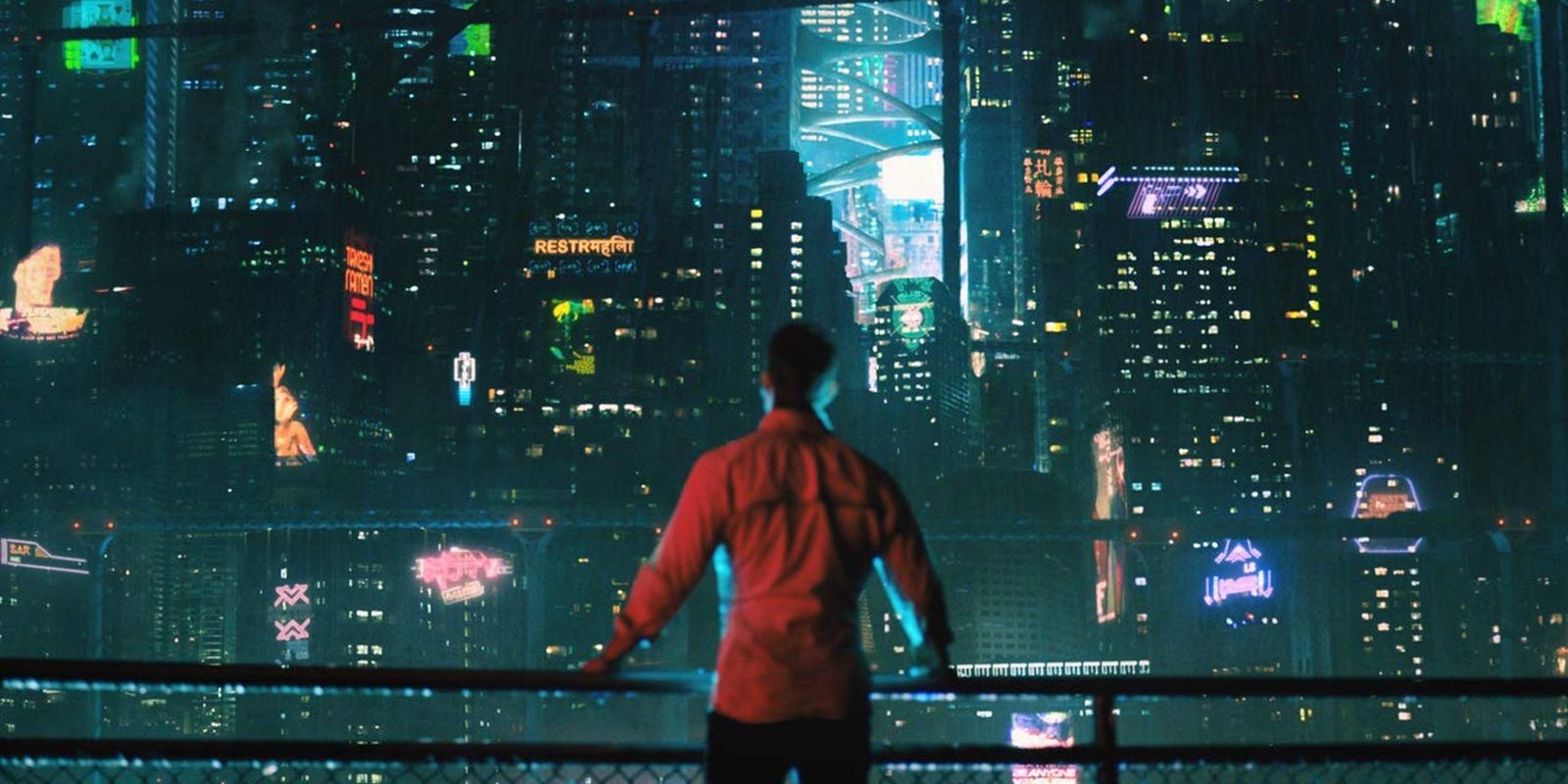
Adapted from the 2002 Richard K. Morgan novel of the same name, Altered Carbon takes place 360 years in the future, in a far-flung time when a human consciousness can be transferred into different bodies. We see this brave new world through the eyes of Takeshi Kovacs, a soldier-turned-detective who’s released from prison to solve a murder.
When TV producers cast a movie star to lead a series, the biggest source of trepidation is the need to sign on for multiple seasons upfront. But the makers of Altered Carbon found a creative workaround; they just used their resleeving technology to recast the lead role between seasons.
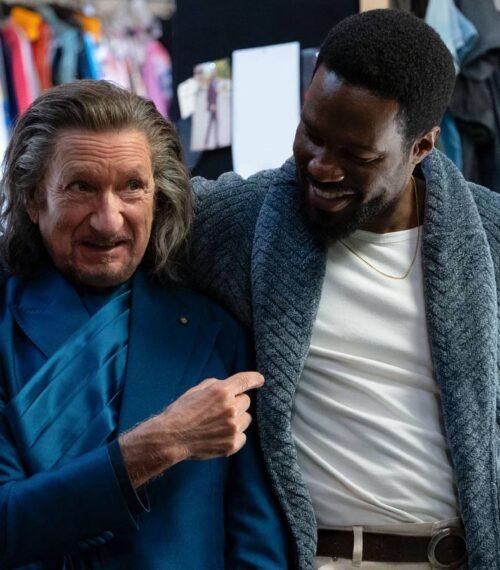
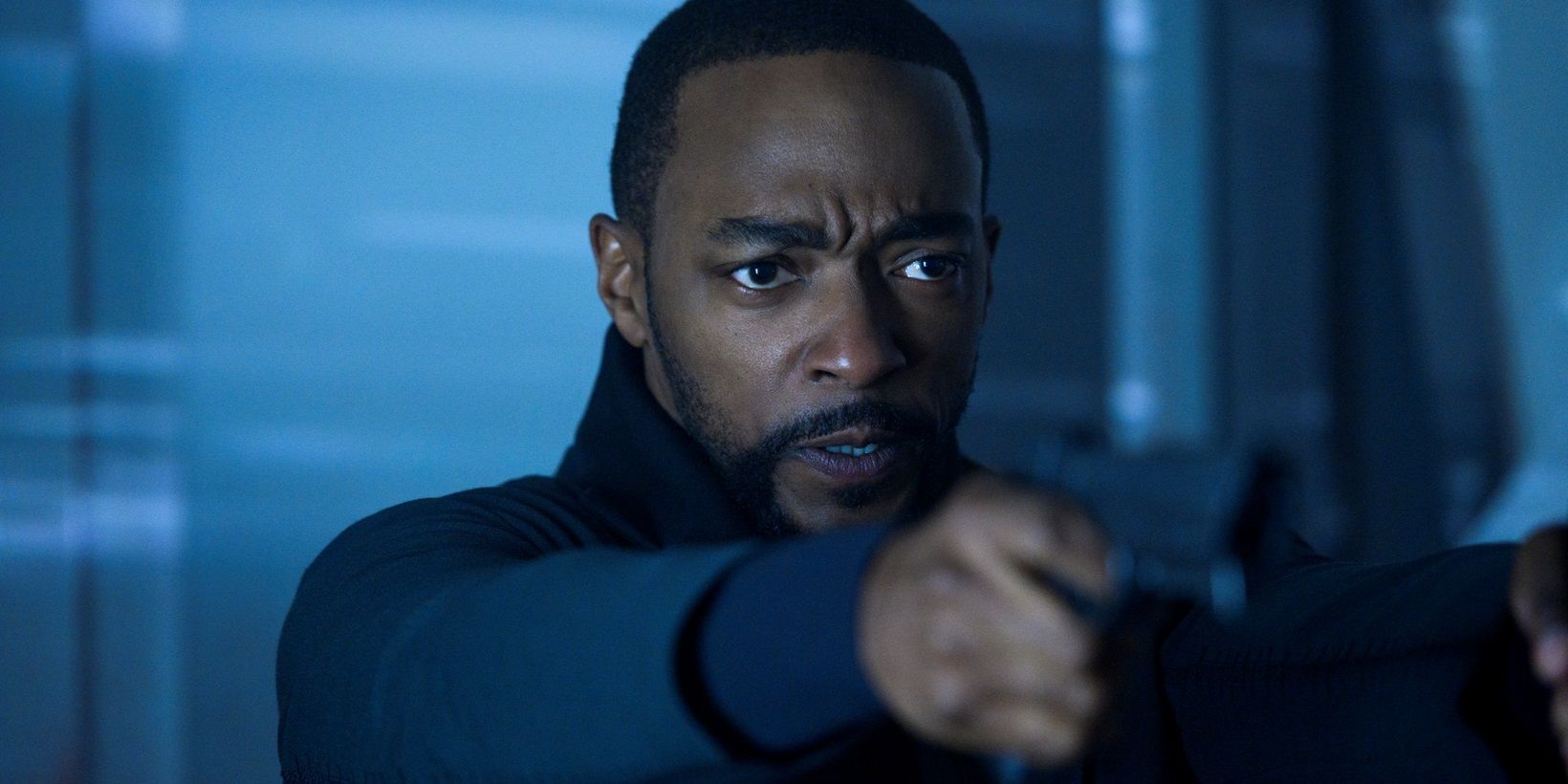
Season 1 is set in 2384, with Joel Kinnaman playing Kovacs, but season 2 is set in the early 2410s, with Anthony Mackie playing Kovacs. It was an interesting way to keep the series fresh and get new perspectives on this fascinating antihero. But this curious anthology format never got a chance to spread its wings.
The series premiered on Netflix with a 10-episode first season in early 2018. The streamer had so much faith in this new show that, just a couple of months later, they renewed it for a second season. In 2020, the Altered Carbon franchise continued with season 2 and a standalone anime prequel movie. But after that, Altered Carbon was canceled.
How Altered Carbon Got Cyberpunk Right

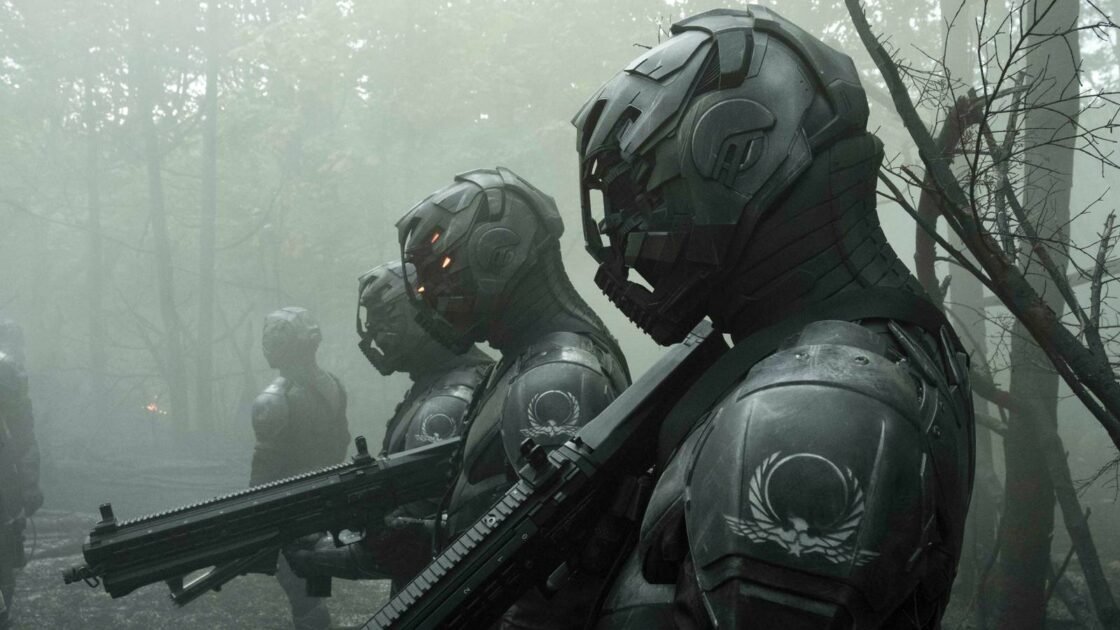
Altered Carbon nailed the cyberpunk genre. It gets the visual style exactly right, with gorgeous colors, retro noir motifs, and rain-soaked city streets under searing neon light. A lot of live-action cyberpunk stories get the visuals right, but it’s usually just style over substance. Altered Carbon goes a step further and touches on the rich themes that cyberpunk fiction is built on.
The dramatic function of cyberpunk is to follow low-lives through a high-tech world. These futuristic dreamworlds are a paradise for a select few, and a dystopian nightmare for everyone else. Altered Carbon explores the class divide that permeates through the cyberpunk genre (and most straightforward detective noirs). While the have-nots live in poverty, rich people never have to die of old age; they just get resleeved.
Why Altered Carbon Was Canceled
Netflix is notorious for canceling good shows before they have a chance to find an audience and become the hits they’re destined to be. It canceled Mindhunter after two perfect seasons. It canceled Santa Clarita Diet just when it was finding its feet. It renewed and then unrenewed GLOW for a final season to wrap up its storylines.
Altered Carbon was another victim of Netflix’s ruthless cancelation tactics, but it makes sense with a show like this. A VFX-laden sci-fi series like Altered Carbon is bound to be expensive to produce, so it needs to be an instant hit on arrival to justify that expenditure, and a lightning-in-a-bottle hit like Stranger Things or Game of Thrones only comes around once every few years.
However, Netflix claims that COVID had nothing to do with the decision (via Deadline). The streaming service has a standard process to calculate how much they’re gaining from viewership versus how much they’d lose on producing another season. Unfortunately, when they crunched the numbers on Altered Carbon, they couldn’t justify the cost of a third season.
Source: Deadline