
















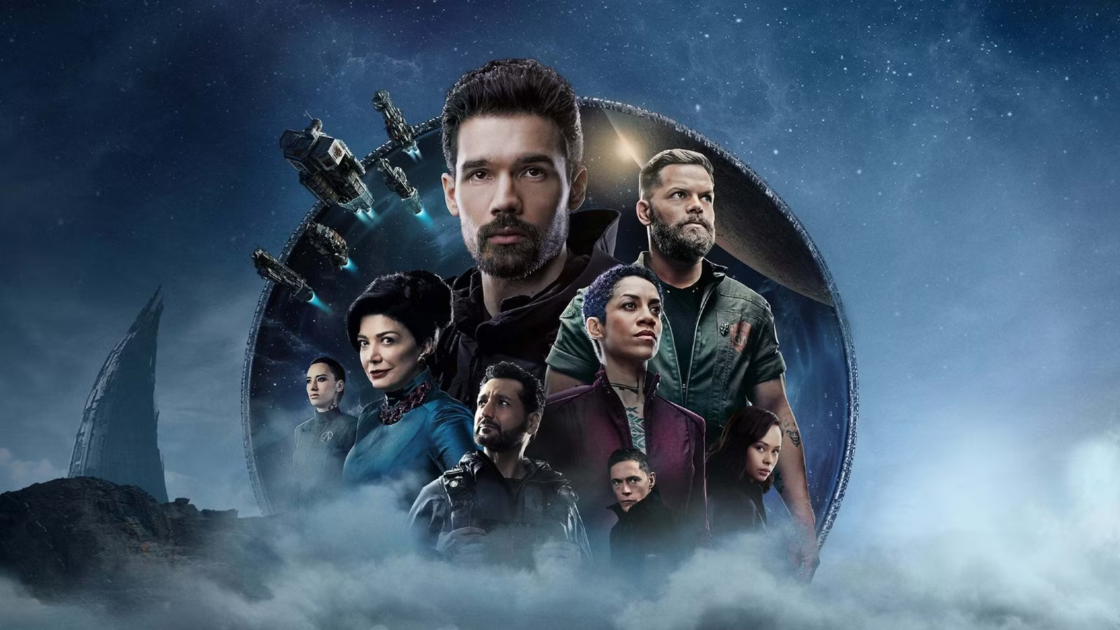

It has been several long years since the crew of the Rocinante signed off, leaving a hole in the television landscape that few series have managed to fill. When The Expanse concluded with Season 6, it marked the end of an era for "hard" science fiction—a genre that prioritizes physics, intricate sociopolitical dynamics, and realistic human stakes over space magic. While the finale was emotionally satisfying for many, the reality that the adaptation ended with books still left to adapt was a bitter pill to swallow. For fans of high-concept space opera, the search for a successor has been arduous.
To this day, The Expanse dominates the conversation regarding the greatest sci-fi shows of all time. Its legacy is defined by its refusal to talk down to its audience, offering a complex web of Belter grievances, Martian militarism, and Earth's bureaucratic decay. Replacing such a juggernaut seemed impossible, primarily because few intellectual properties possess the same depth of lore or the narrative infrastructure to support such storytelling. However, the streaming giant that saved The Expanse once might be about to save the genre again.
In a move that has sent shockwaves through the fandom, Prime Video announced in November 2025 that a reboot of Stargate is officially in development. While reboots are often viewed with skepticism, this specific property, under the stewardship of Amazon's massive budget and creative freedom, represents the most logical heir to the throne vacated by James Holden and his crew. If handled correctly, the Stargate reboot won't just be a nostalgia trip; it could be the next great political space drama.
The Expanse Left A Massive Void In Hard Sci-Fi Television
To understand why the Stargate announcement is so significant, we must first analyze the vacuum left by The Expanse. When the series moved from Syfy to Amazon Prime, it benefitted from increased visual fidelity and a darker, more mature tone. It proved that audiences were hungry for narratives that treated space travel as dangerous, dirty, and politically complicated. The show did not rely on utopian ideals like Star Trek or the mythic fantasy elements of Star Wars.
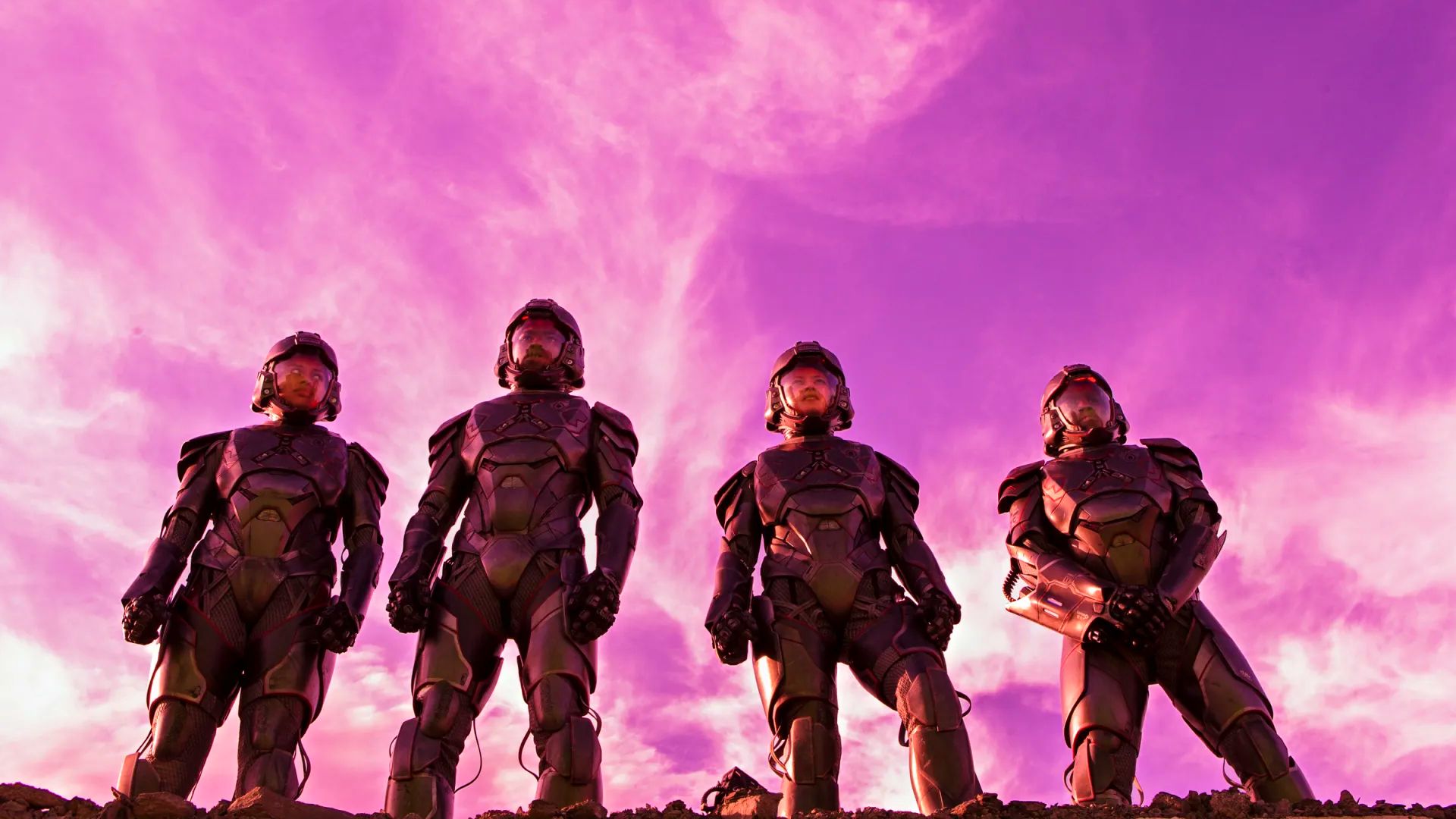
Since the finale, various networks have attempted to capture that lightning in a bottle. Apple TV+ has made admirable strides with shows like Foundation and For All Mankind, but the former leans heavily into high-concept philosophy while the latter is an alternate history drama. Neither fully captures the gritty, working-class aesthetic of the Belt or the immediate military tension of the MCRN. The Expanse was unique because it felt like a future that could actually happen, grounded in human flaw rather than technological wizardry.
Fans have been vocal about this gap in the market. The discourse online often circles back to the feeling that current sci-fi offerings are either too glossy or too simplistic. The complexity of the Protogen conspiracy or the geopolitical ramifications of the Ring Gates set a bar that is incredibly high.
It has been years and I still rewatch The Expanse because nothing else treats the audience with that level of respect regarding the physics and the politics.
This sentiment highlights the challenge Prime Video faces. They possess the rights to the Expanse universe, yet the story remains dormant. By pivoting to Stargate, they are acknowledging that while they may not be ready to adapt the final three Expanse novels, they are ready to invest in a universe that offers the same scale of storytelling potential.
Prime Video's Stargate Reboot Can Be The Next Great Space Opera
The announcement of a Stargate reboot in November 2025 is not entirely surprising given Amazon's acquisition of MGM, but the confirmation has officially moved the project from rumor to reality. Stargate is a titan of the genre, ranking just behind Star Wars and Star Trek in terms of cultural footprint. With the original film, SG-1, Atlantis, and Universe, the franchise has hundreds of hours of canon to draw upon. However, a reboot offers a clean slate, and that is where the comparison to The Expanse becomes vital.

The original Stargate SG-1 was known for its episodic adventures, humor, and camaraderie. It was classic 90s/00s television. However, a modern reboot on a streaming service suggests a shift toward serialized storytelling. This allows for a grounded retelling of the discovery of the Chappa'ai, focusing on the military and governmental response to discovering we are not alone. This shift in tone would align it perfectly with the audience that misses the political maneuvering of the UN and the MCRN.
Prime Video has the financial muscle to turn the Cheyenne Mountain complex and the alien worlds beyond the gate into cinematic spectacles. The "planet of the week" format, which was often limited by the budget of basic cable, can now be realized with the same visual grandeur seen in The Rings of Power or Fallout. This reboot has the potential to elevate the franchise from a cult classic to a prestige drama.
The Narrative Parallels Are Stronger Than You Think
On the surface, The Expanse and Stargate seem different—one is about spaceships and gravity wells, the other is about instantaneous travel through wormholes. However, dig deeper into the lore, and the DNA of these two shows is surprisingly similar. Both franchises hinge on the discovery of technology left behind by a vanish, ancient, and incredibly advanced civilization.
In The Expanse, humanity deals with the Ring Builders and the terrifying Protomolecule. In Stargate, humanity grapples with the legacy of the Ancients and the network of gates they left behind. In both instances, humanity is the "young" species playing with fire, utilizing technology they barely understand which inevitably attracts the attention of darker forces.
Furthermore, both shows excel at examining the fragmentation of humanity. The Expanse gave us Earth, Mars, and the Belt. Stargate typically focuses on the friction between the military (SGC), the civilian oversight (the NID or IOA), and the various alien cultures encountered. A reboot could lean heavily into this, exploring how the revelation of the Stargate program affects global politics on Earth, mirroring the way the Ring Gates disrupted the balance of power in the Sol system.
From Basic Cable Budgets To Streaming Blockbusters
One of the limitations of the original Stargate run was the budget. While creative teams worked miracles with practical effects and early CGI, the show was often confined to Canadian forests doubling for alien planets. The Expanse set a new visual standard for television sci-fi, particularly in its later seasons on Prime Video. The depiction of zero-G combat, the vastness of the slow zone, and the distinct aesthetics of Belter stations created an immersive world.
With the reboot, Prime Video is expected to apply a "blockbuster" budget strategy. This means Stargate could finally depict alien civilizations that look truly alien, rather than human societies with slightly different clothing. The potential to visualize the Goa'uld empire or the advanced city-ships of the Ancients with modern VFX technology is a major selling point for new and old fans alike.
We deserve a Stargate that looks as expensive as it feels. Imagine the Supergate battle or the city of Atlantis with a Lord of the Rings budget.
This financial injection is crucial for replacing The Expanse. Part of the appeal of the latter was its visual realism. If Stargate wants to capture that audience, it cannot look cheap. It needs to convey the scale of the galaxy and the weight of the threats humanity faces.
The Challenge Of Balancing Nostalgia And Modernity
There is a risk involved in this transition. The Expanse was born in the era of "Prestige TV," while Stargate comes from a lighter, more episodic era. Stripping Stargate of its humor to make it a "gritty" successor to The Expanse could alienate longtime fans. The magic of Jack O'Neill's sarcasm is just as important to the franchise identity as the gate itself.
The writers of the reboot face a difficult balancing act. They must adopt the serialized, high-stakes storytelling that modern audiences demand—and which defined The Expanse—without losing the heart and optimism that made Stargate beloved. Stargate Universe attempted a darker, grittier tone inspired by Battlestar Galactica, and it was met with a polarizing response. Prime Video must learn from that history.
However, The Expanse also had moments of levity and deep character bonding (the "family" dynamic of the Roci crew). If the Stargate reboot can capture that team dynamic while maintaining a serious overarching plot, it will have found the winning formula. It doesn't need to be as bleak as The Expanse often was, but it needs to take its own stakes just as seriously.
Why This Could Be The Golden Age Of Sci-Fi TV
Prime Video is quietly positioning itself as the premier destination for genre television. Between The Boys, Invincible, Fallout, and the legacy of The Expanse, the platform understands geek culture better than most of its competitors. The addition of a marquee franchise like Stargate cements this status. It suggests a long-term strategy to keep sci-fi fans subscribed year-round.
For fans mourning the end of the Rocinante's journey, this news offers a new horizon. While we may never see the final three books of The Expanse adapted, Stargate offers a similar thrill of exploration, ancient mystery, and military prowess. It is the only franchise with the weight and history to step into those magnetic boots.
As we await casting news and a release window, the speculation will surely run rampant. Will the reboot retell the origin story, or will it pick up in a world where the gate is already public knowledge? Regardless of the direction, the gate is opening again. With production ramping up following the November 2025 announcement, we can likely expect teasers or casting reveals by early 2026, marking the beginning of a new chapter in sci-fi history.