















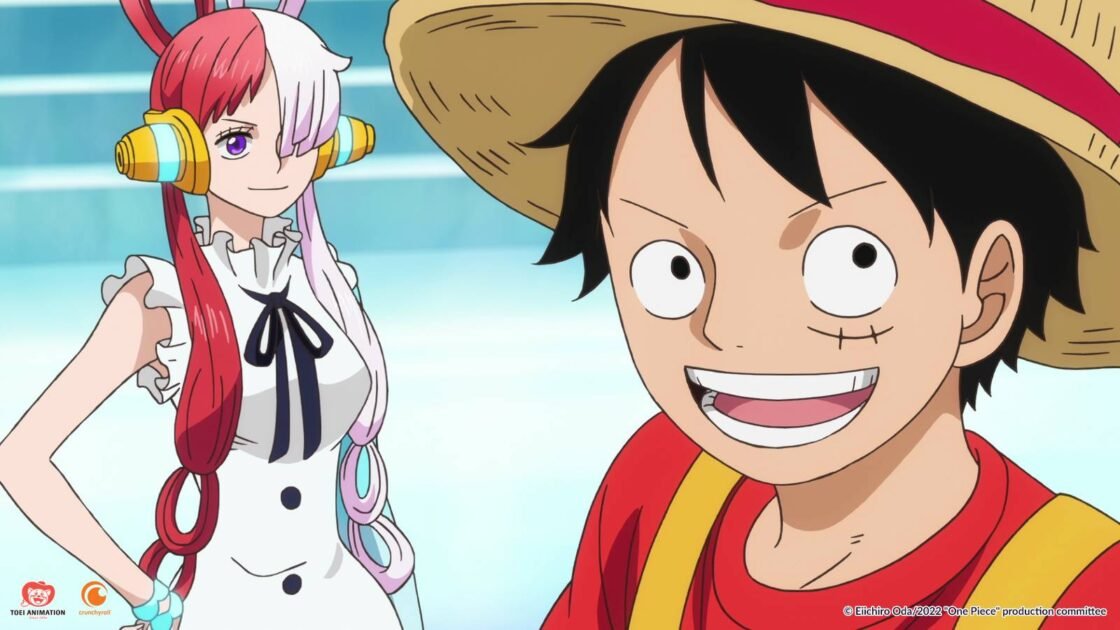

For the more recent anime enthusiast, One Piece, with over 1,000 episodes, might be intimidating to catch up on. For most, they cannot help but hesitate to get started due to the worry about the time they will commit to following Luffy’s arduous journey to find the One Piece.
However, the series, funnily enough, hardly cracks the top ranks for anime longevity. Other than Luffy’s story, there are different series that have been running for decades, creating more episodes that make the Straw Hats' adventure look like a short trip. These shows are proof that there are a variety of long-running anime.
From one of the most iconic mecha franchises to a title that holds a Guinness World Record, Japan has produced anime that captures the attention of multiple generations. Therefore, here are 10 anime series that make One Piece’s length look like child’s play.
Mobile Suit Gundam Franchise
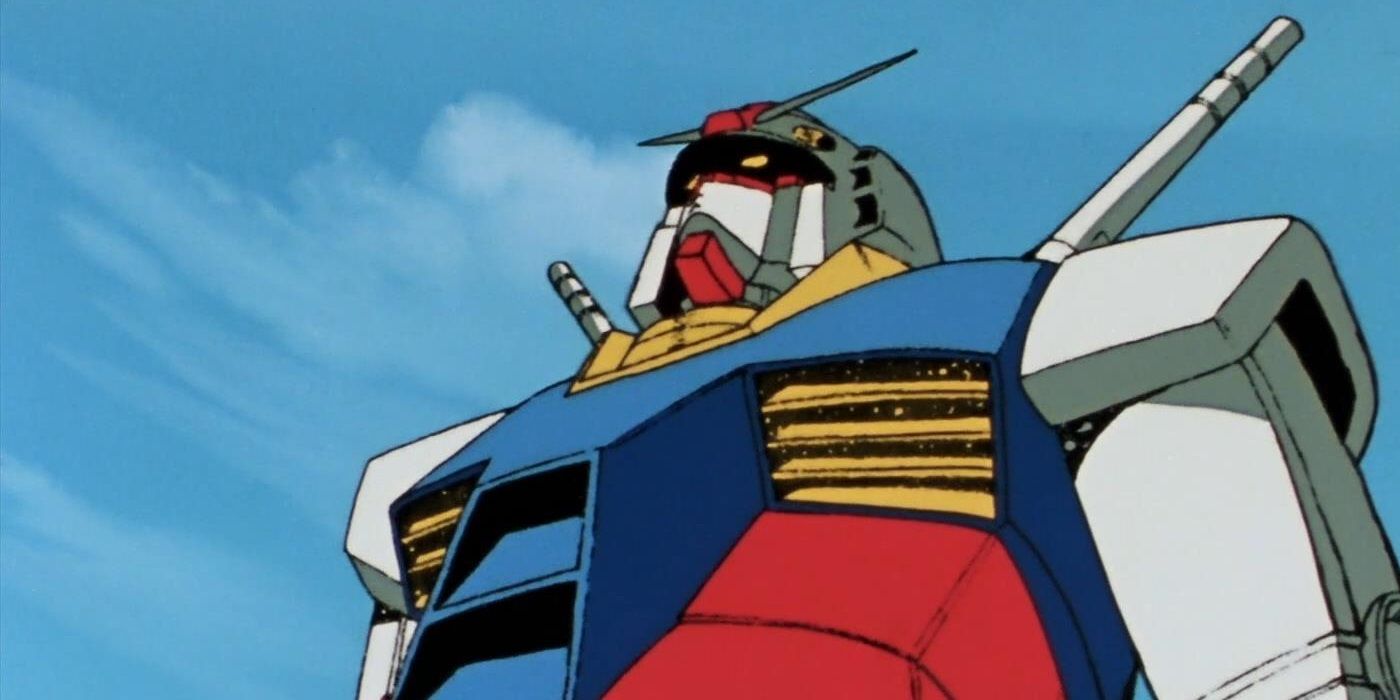
The franchise began in 1979 and never slowed down since. Though each series is easy to follow, the entire Gundam universe cuts across multiple timelines and hundreds of episodes across many shows. It weaves an interconnected story of giant robots, intergalactic iconic battles, and an ever-growing narrative that continues to shape and influence the anime universe.
The Universal century timeline alone contains more than a dozen series. When alternate universes such as Seed, Wing, and Iron-Blooded Orphans are included, the runtime becomes staggering to watch. For fans who love the Gundam franchise, the commitment required exceeds that of most anime.
Detective Conan (Case Closed)
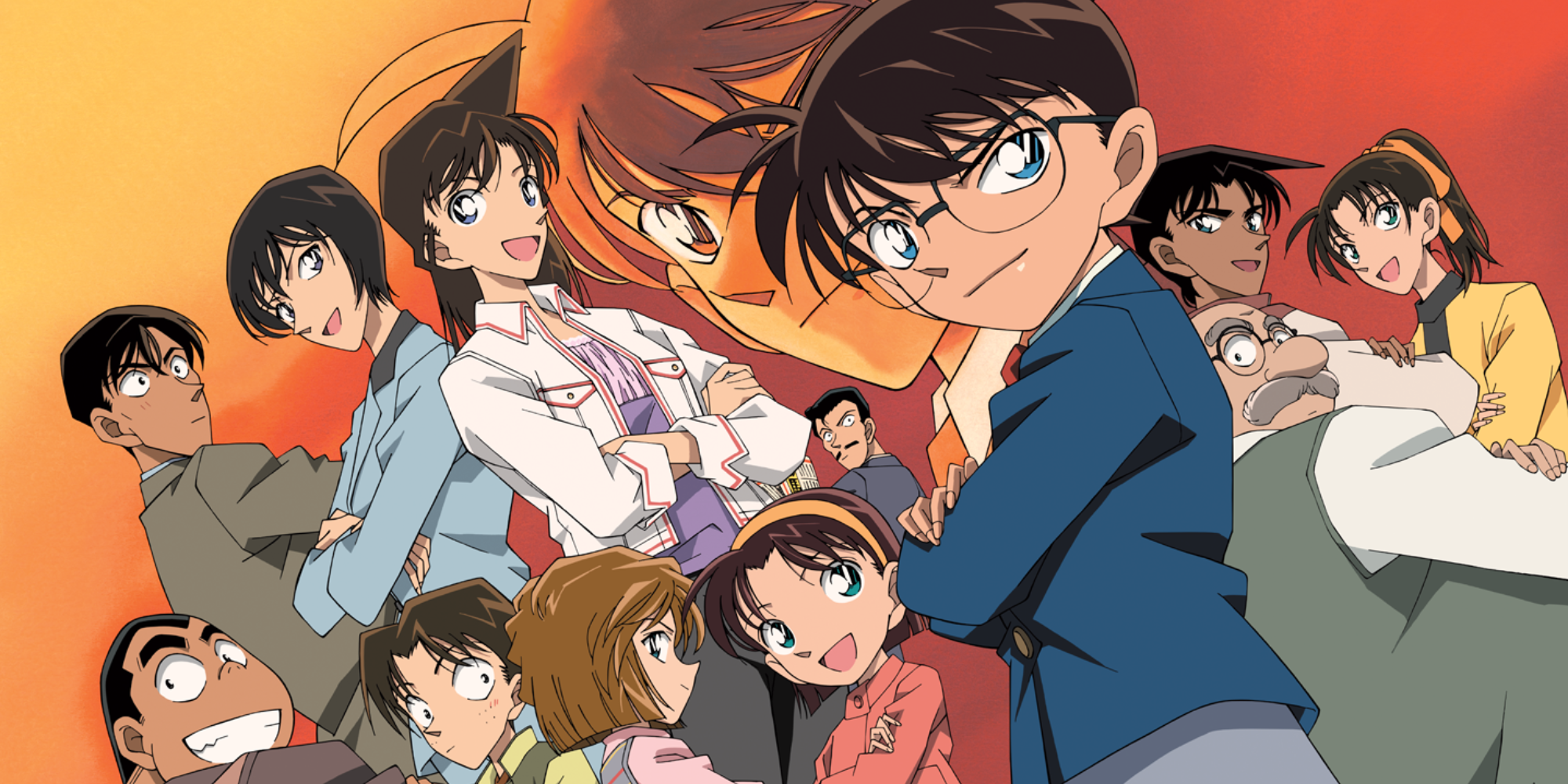
Shinichi Kudo fought crime in a kid's body since 1996. Solving mysteries while haunting the organisation that shrunk him. Detective Conan has aired over 1,100 episodes with no finale in sight. The series demands extraordinary dedication from fans who follow its ever-evolving saga.
The series releases new episodes weekly, steadily building an evergreen archive of mystery. Each episode usually features one or two cases, ranging from theft to murder investigations, ensuring the series remains fresh while challenging fans with diverse cases.
This show has run for so long that fans now have an inside joke about when Shinichi will ever regain his actual age. Despite the humour, the series remains a powerhouse, drawing strong viewership in Japan while steadily delivering mysteries and cases, ensuring its enduring stake in anime culture.
World Masterpiece Theater
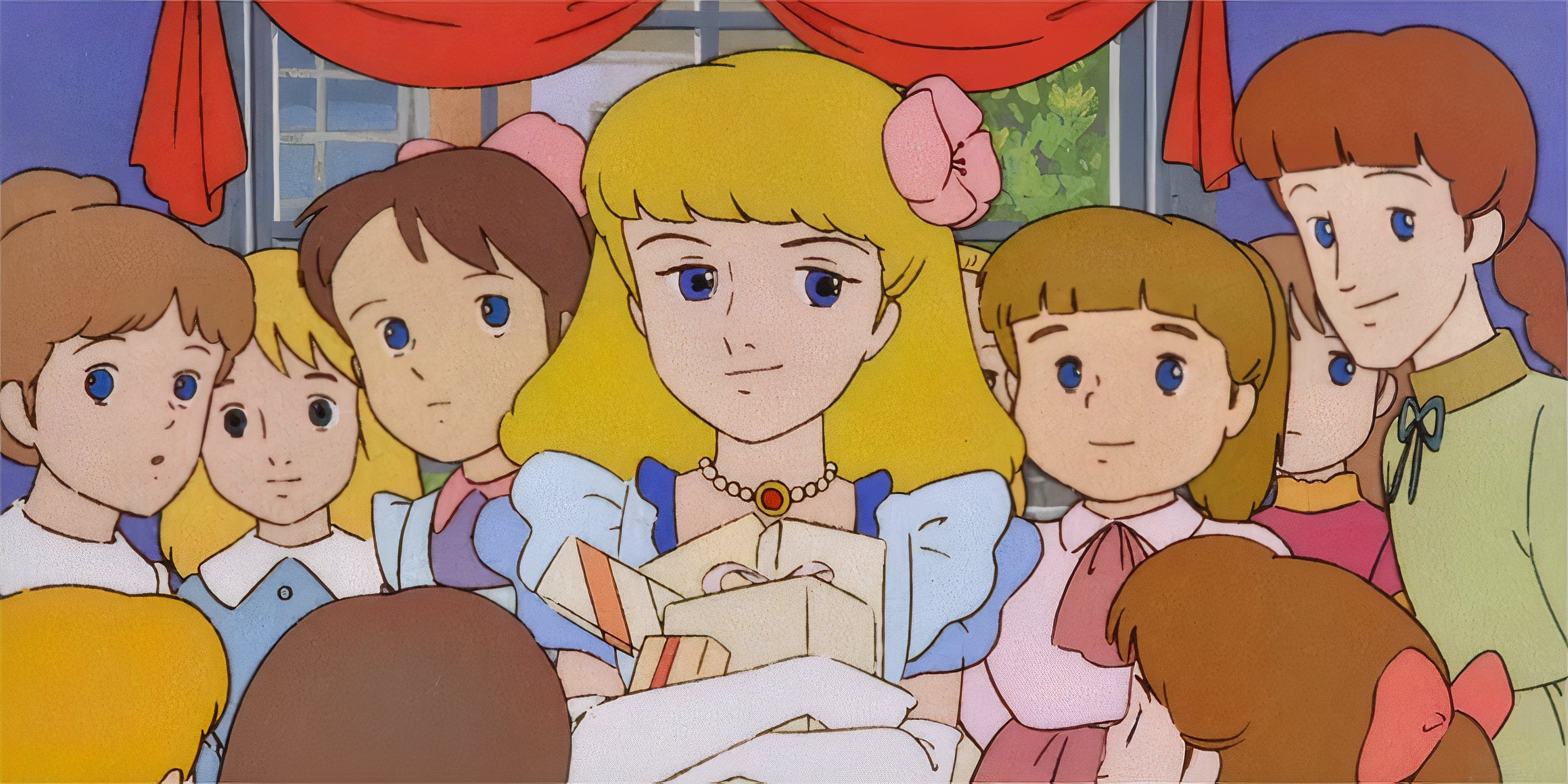
From 1969 to the late 90s, this series brought classic literature to Japanese anime fans through animation. Each season highlights a beloved tale ranging from Heidi, Girl of the Alps to Anne of Green Gables. By telling timeless stories in animated form, the series offers children engaging access to Western literature.
The series introduced Japanese children to Western literature with carefully crafted animation. Works such as The Dog of Flanders and Les Misérables were thoughtful yet quickly adopted, retaining the emotional weight of the originals. Its unwavering commitment to storytelling ensured that the classics connect with the younger generation while maintaining their cultural and literary relevance.
Although each season spans a standard length, the entire body of work of World Masterpiece Theatre stretches over decades. Across numerous reinterpretations, the brand produced hundreds of episodes, building a broad archive of family-friendly entertainment. Its lasting impact lies in presenting generations of viewers with significant stories, blending education and entertainment through a classic animation.
Pokemon
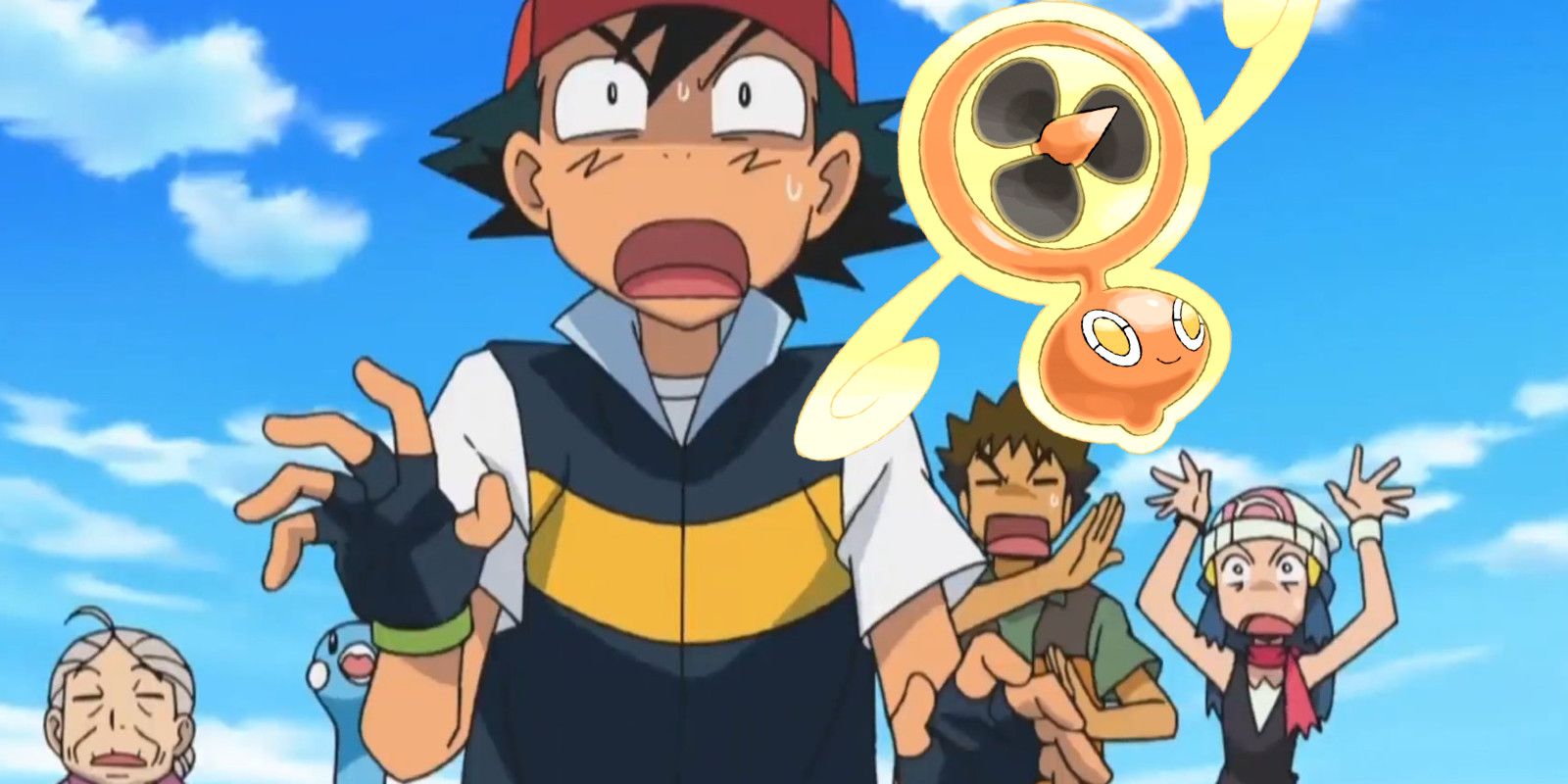
Ash Ketchum's adventure lasted 25 years, spanning more than 1,200 episodes, and ended in 2023. His dream of becoming a Pokémon master carried him across many regions. Where he finally caught, trained, and battled countlessPokémons.The series showcased his growth as a trainer while inspiring generations of fans worldwide.
Throughout the series, Ash travelled from Kanto to Galar, meeting new friends and rivals in every region. He fought in many leagues, facing opposition that reflected each generation of Pokémon games. These adventures kept the anime alive by constantly adding new companions and creatures and maintaining the thrill of his long-running quests.
Even after the conclusion of Ash's story, the Pokémon franchise continues with new central characters and developing storylines. New episodes deepen the setting, reinforcing that the series remains as one of the most prolific works in anime history. Between the original saga and current instalments, its global influence continues to draw viewers in with its endless adventures and innovative narrative.
Crayon Shin-chan
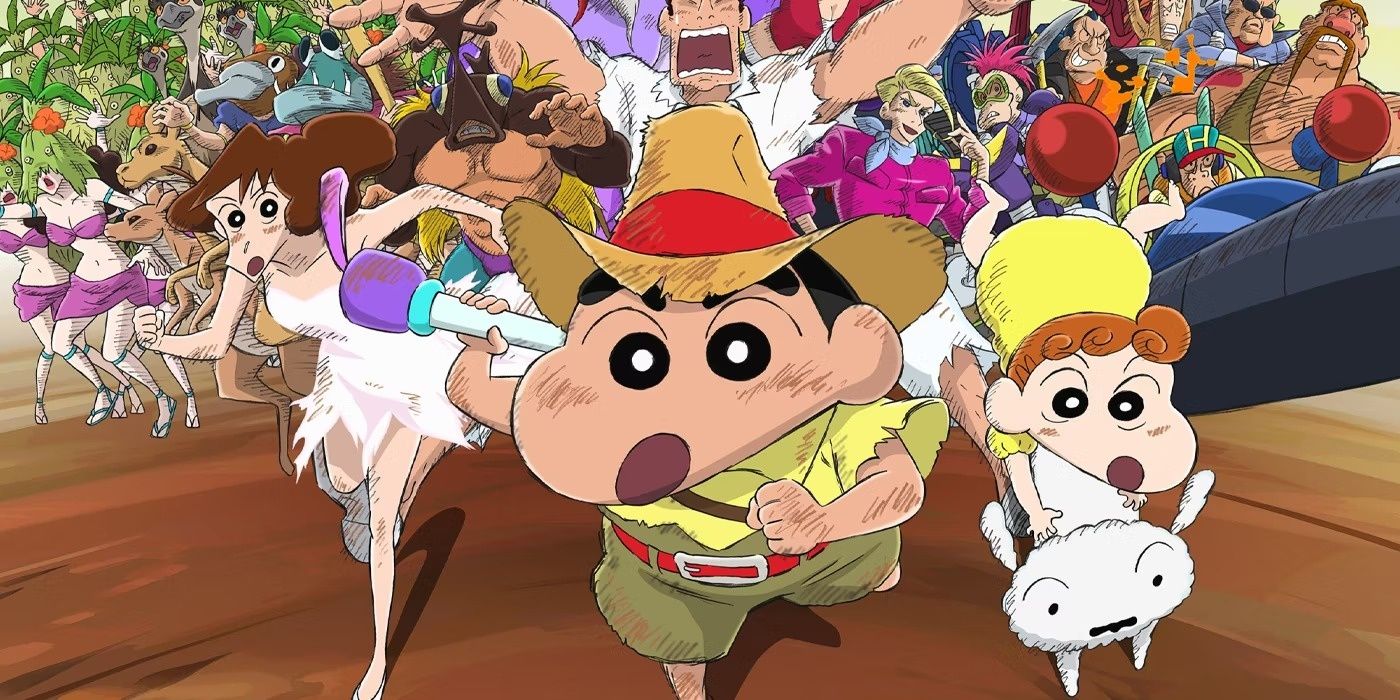
Shin- Chan Nohara has been entertaining audiences with over 1,000 episodes of mischievous comedy since 1992. The series follows the inappropriate yet endearing kindergartener and his family through everyday adventures, mixing humour and relatable situations that have kept viewers engaged for decades
Shin Chan’s antics embarrass his parents, and his innocent yet crude behaviour has sparked controversy, but it has also earned him affection across Asia. The series strikes a balance of playful comedy and bold character traits, making it unique and enduringly popular.
The series remains successful because it focuses on family dynamics and delivers relatable comedy. New episodes air continuously, showing that Shin Chan’s mischief shows no sign of stopping, ensuring his adventure will entertain audiences for years to come and maintaining its place as a cultural staple.
Shimajirou (Shimajiro)
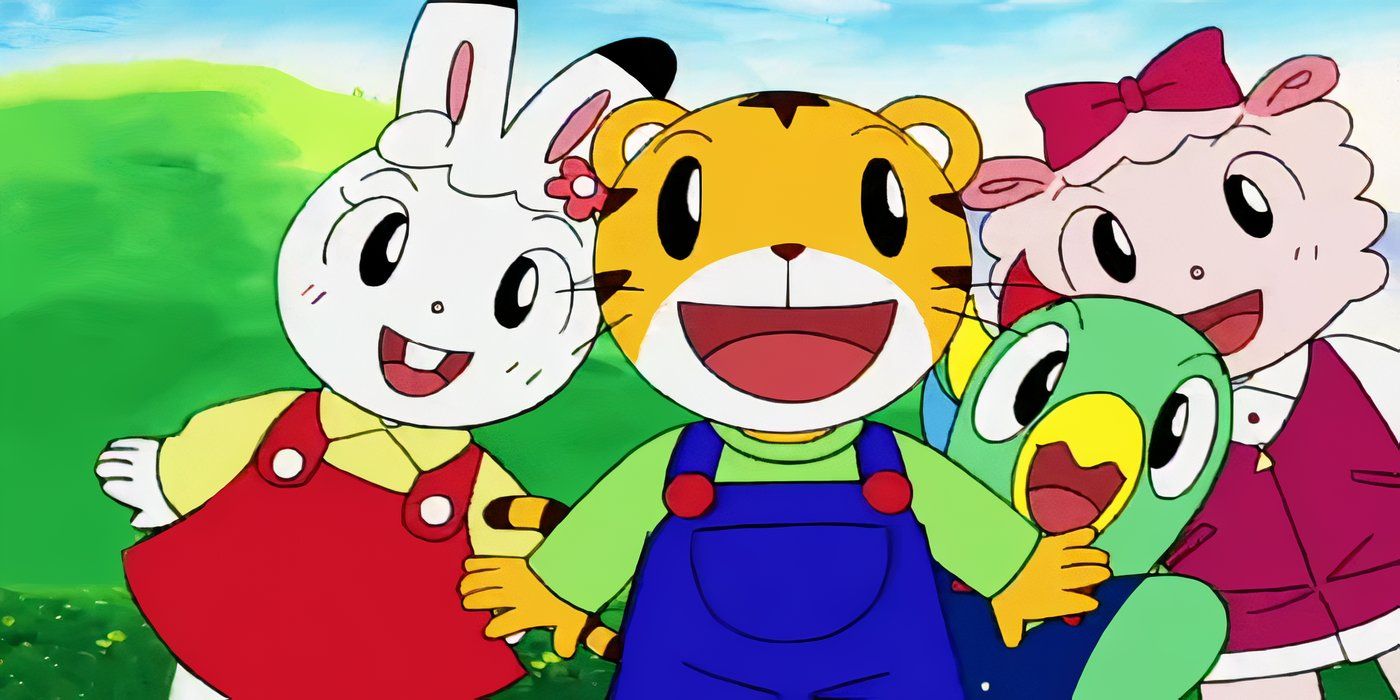
Shimajiro the Tiger has accompanied Japanese preschoolers through more than 800 episodes since 1993. The children’s program centres on friendships, daily life lessons, and problem-solving skills. It presents challenges in a way that helps children develop social relationships while offering parents reliable support for early childhood learning.
Each episode presents situations that help children understand emotions, daily routine, and social relations. Shimajiro and his friends navigate preschool activities with lessons built into their adventure. This approach helps young viewers learn basic skills in a familiar, enjoyable way, encouraging positive values through storytelling.
Countless generations of Japanese children have grown up with Shimajiro, and it has influenced their educational priorities. The series continues to release new episodes, maintaining its position as a dependable guide for families. Its long-lasting popularity emphasises the significance of blending entertainment with learning.
Chibi Maruko Chan
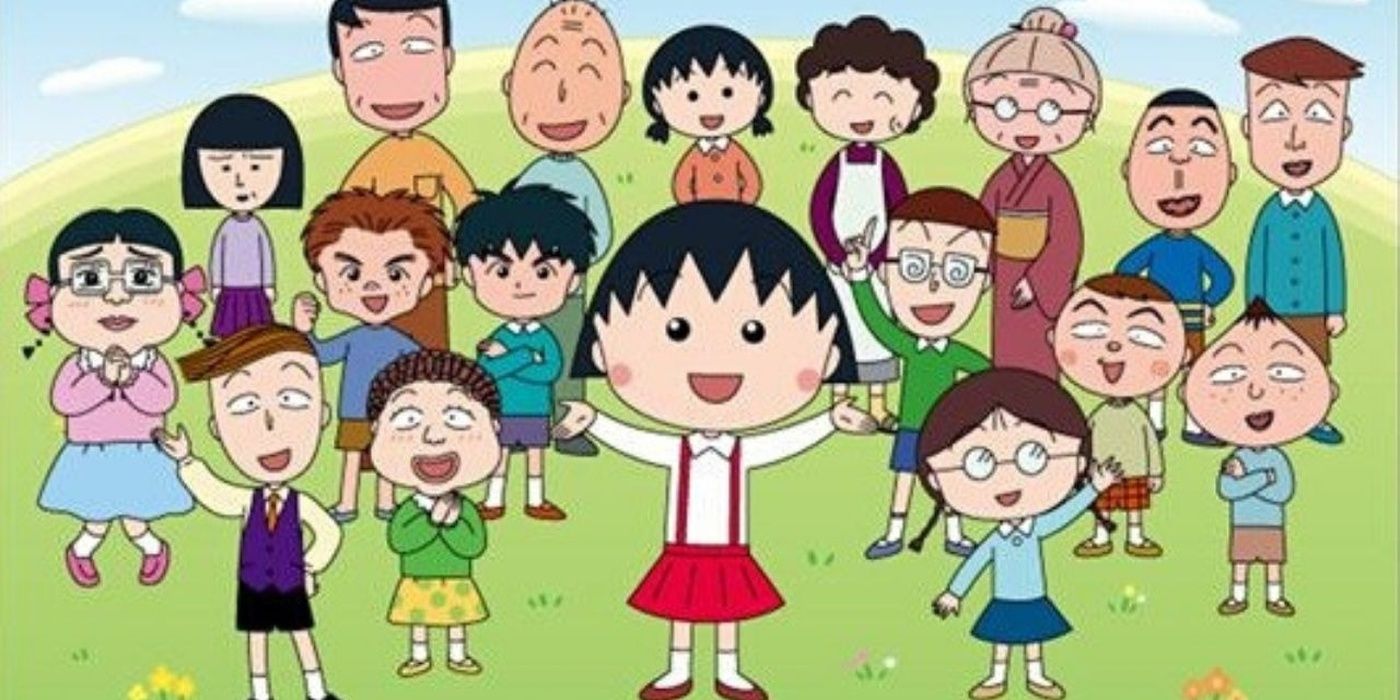
This series takes place in 1970s Japan. The series focuses on Maruko and her extended family. Since its first broadcast in the 1990s, it has run more than 1,000 episodes, capturing day-to-day routines and family dynamics. The show draws attention to ordinary yet essential moments that resonate with audiences across age groups.
Based on the creator Momoko Sakura’s memories, the series captures the warmth and simplicity of daily life. Aruku's bond with her grandfather brings humour and warmth to the overall narrative. These sincere moments balance comedy with tenderness, making the show not just amusing but also engaging for viewers.
Over the years, the series has become a Sunday evening tradition for many Japanese families. Its memorable setting and relatable characters have secured a place in the hearts of people across generations in Japan. With new episodes constantly airing, the show remains popular and shows no indication of ending.
Anpanman
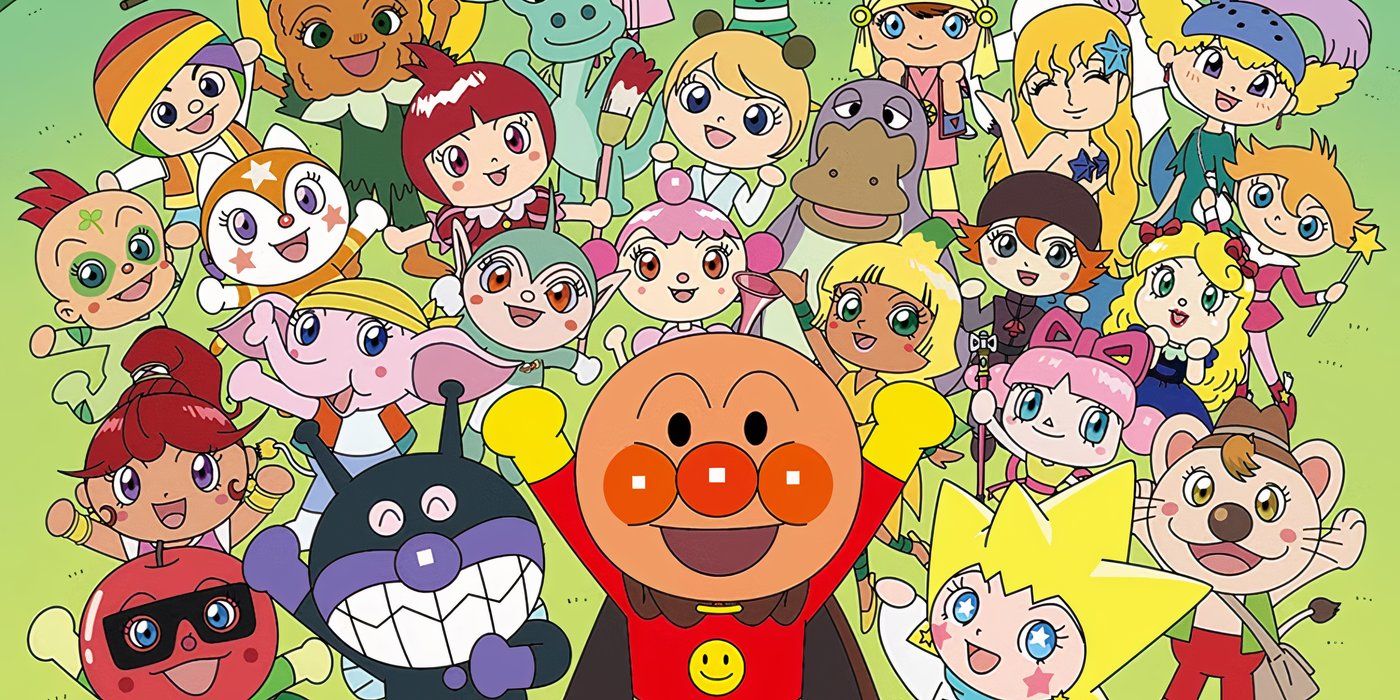
Since the late 1980s, Anpanman, a hero with a sweet-bread head, has continued to amuse children, simultaneously teaching them empathy and kindness. Aimed at preschool audiences, the series uses simple adventures to emphasise the importance of helping others. Its comforting storytelling ensures that even the youngest viewers can connect with the story's themes.
Anpanman's clashes with the mischievous Baikinman are paired with kind gestures, such as sharing pieces of his own head with starving children. The story mixes comedy with moral lessons, making the series both entertaining and educational. The simple approach allows toddlers to learn good values through lasting adventures.
With over 1,500 episodes produced, Anpanman has become a household figure in Japan. Generations of children have grown up watching the bread-headed hero, making him a cherished hero. The series continues to thrive because it remains a treasured cornerstone of children’s entertainment in Japan.
Doraemon
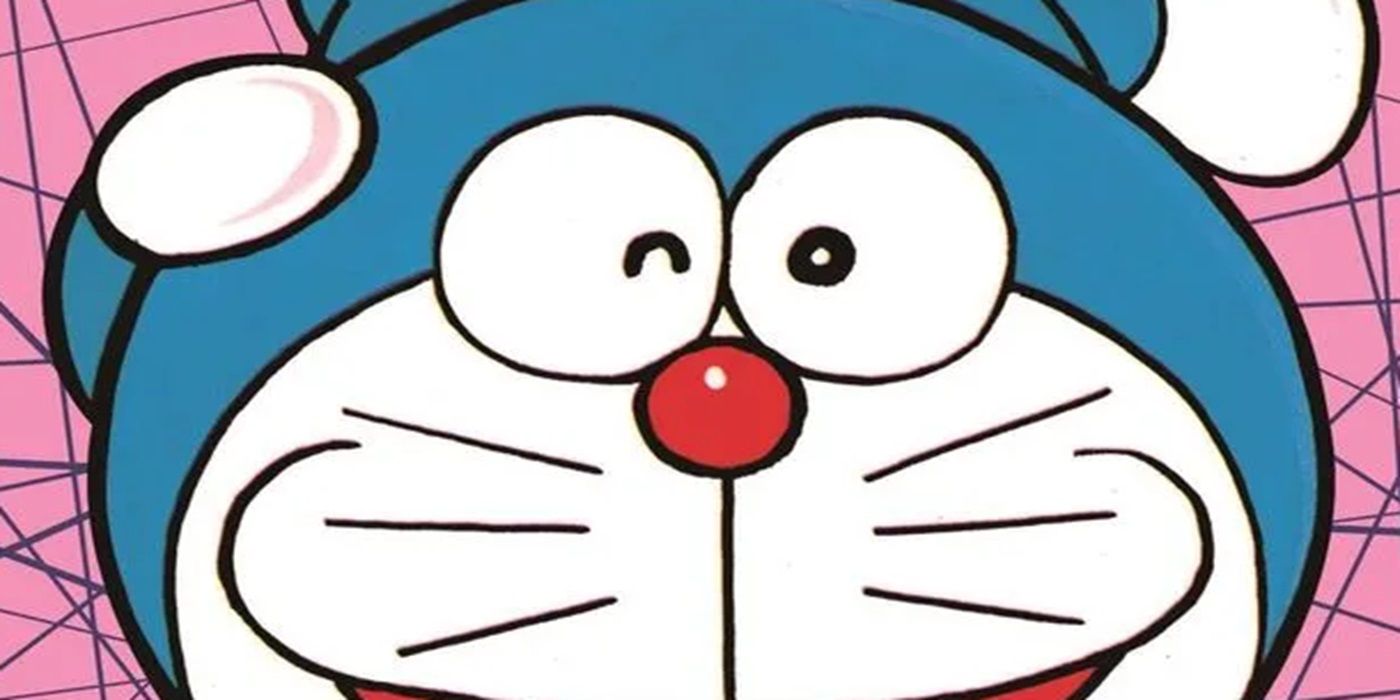
Doraemon, the robotic cat from the future, has supported his friend Nobita throughout countless adventures since 1979. With over 2000 episodes produced, the series has constantly entertained children across Asia for decades. Its imaginative use of futuristic gadgets captures the curiosity and excitement of young viewers.
Doraemon's dimensional pockets provide incredible devices that help Nobita overcome daily challenges. Although these gadgets often solve immediate problems, they frequently create unexpected consequences. This blends humour with lessons about responsibility, making each episode thought-provoking for viewers of all ages.
Apart from its storytelling, Doraemon has become culturally significant in Japan and across Asia. Generations have grown with the series, enjoying its humour, warmth, and its vast creativity. As one of the longest anime in history, it has had a significant impact on pop culture and family entertainment in Japan and across Asia.
Sazae-san
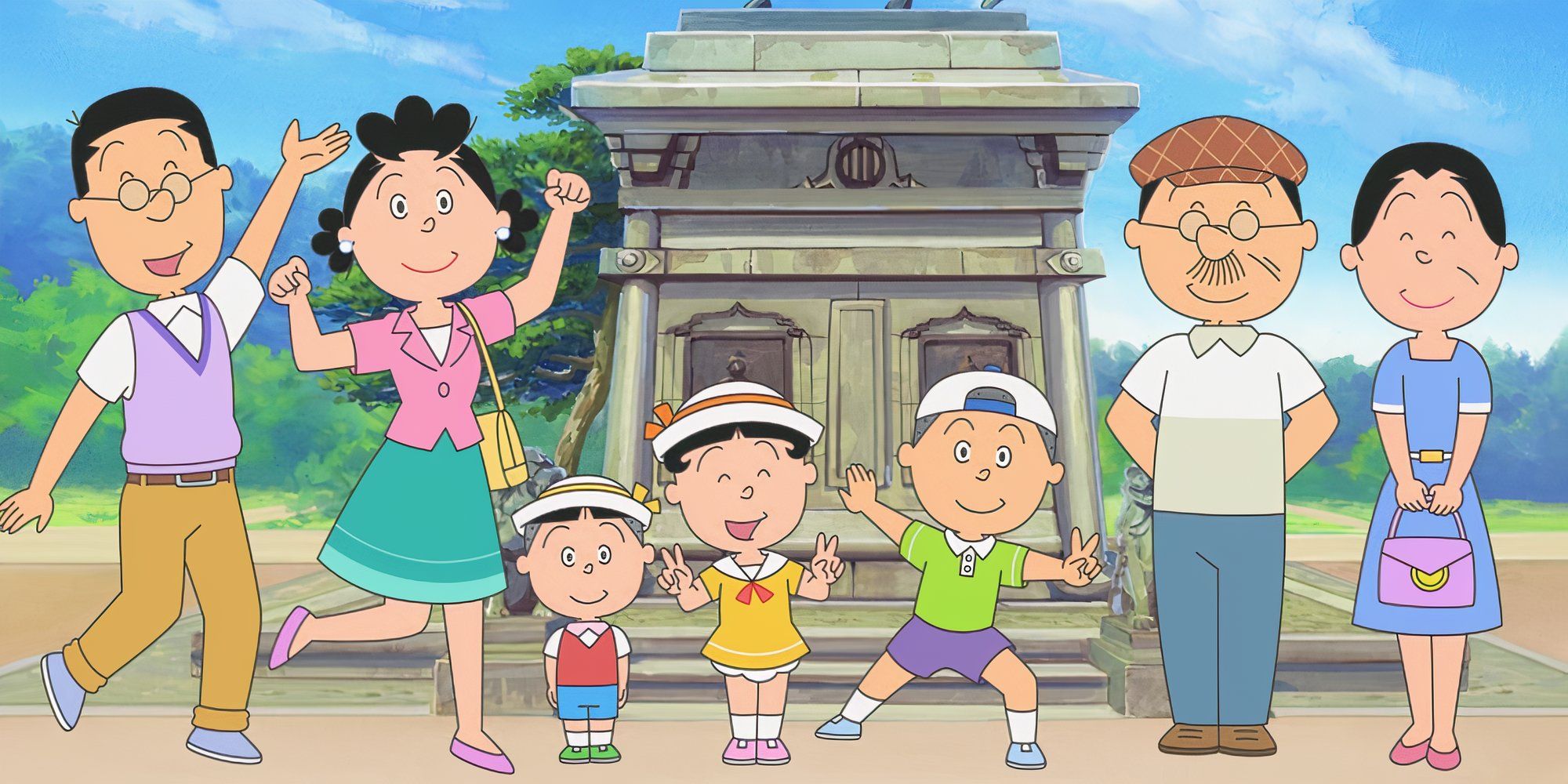
Having premiered in the year 1946, Sazae-san holds the Guinness World Record for the longest-running animated series in history. With over 8,000 episodes produced, the comedic family series depicts the intricacies of everyday life in Japan for over five decades, offering audiences a constant portrayal of ordinary experiences tinged with nostalgia.
The story centres on Sazae Fugaata and her family as they navigate their daily lives. Each episode is a highlight of simple family moments, seamlessly blending humour and warmth. Sazae-san's gentle approach appeals to viewers of all ages, making the series a timeless mirror of Japanese family relationships.
Since the anime's first appearance in Japan, Sazae-san has aired every Sunday evening, with over 86 million copies in circulation worldwide as of 1999; its role as a national institution is unquestionable. In contrast to other anime, the series is a unique staple of Japanese television history, representing a simpler, traditional Japanese society before the advent of technology.