
















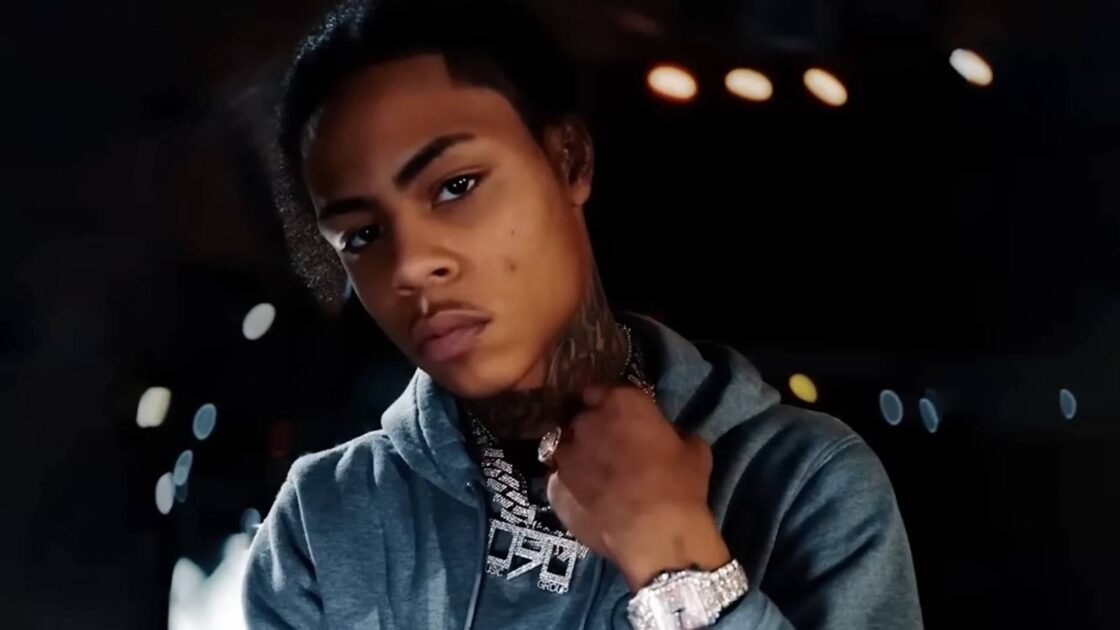

Bronx drill rapper Kay Flock has been sentenced to 30 years in federal prison, effectively ending one of New York’s fastest-rising rap careers. More than a legal conclusion, the verdict has reignited debates around drill music, violent lyrics as courtroom evidence, and how quickly viral success can collide with irreversible consequences.
Once positioned as a breakout voice of the Bronx drill movement, Kay Flock’s case now stands as one of the most consequential intersections of hip-hop culture and the justice system in recent years. A bold statement in the wake of Diddy, and yet, here we are.
Who Kay Flock Was Before The Trial & His Drill Rap Influence
Before his arrest, Kay Flock was one of the most prominent figures in Bronx drill, a scene reclaiming national attention after earlier regional waves. His breakout single “Being Honest” and 2021 mixtape The D.O.A. Tape positioned him as a raw, unfiltered voice capable of crossing from local notoriety into mainstream conversation.
Unlike many drill artists who remained tightly regional, Kay Flock’s rise coincided with the genre’s expansion across platforms like TikTok and YouTube, where his music reached far beyond New York. For a brief window, he represented both the commercial promise and cultural urgency of modern drill rap: fast-moving, hyper-visible, and deeply intertwined with real-world identity.
That momentum made his sudden disappearance from the music landscape especially jarring, freezing a career that appeared to be accelerating rather than plateauing.
Why Kay Flock’s 30-Year Sentence Is Bigger Than One Artist
The severity of Kay Flock’s sentence extends beyond its length. Federal prosecutors framed the case as a racketeering conspiracy, leaning on a broad narrative that blended alleged criminal behavior with online presence and lyrical themes. The approach reflects a growing prosecutorial strategy in drill-related cases, where music and persona are treated as contextual evidence rather than performance.
“Kevin Perez, a/k/a “Kay Flock,” was the leader of a neighborhood street gang known as Sev Side / DOA, and with that gang, he committed a series of gang-motivated shootings. Perez, a drill rapper, instilled fear across the community with his violent actions, and then threatened rivals, bragged about shootings, and taunted victims in his rap lyrics. But as a unanimous jury has now found, Perez can no longer hide behind his music, and instead will be held to account for his violent crimes. Thanks to the hard work of the career prosecutors of this Office and our law enforcement partners, the cycle of violence that Perez engaged in is over. This Office remains resolute in its commitment to prosecuting gang members who sow fear and spread violence on our city streets.”
At a time when drill is no longer an underground movement but a commercially viable genre, the message resonates with all-involved parties: artists, music labels, media platforms, and audiences who helped accelerate its popularity are now at risk. Kay Flock’s rise showed how quickly drill rap could capture attention. His sentence shows how quickly it can all disappear, and why the genre may never approach success the same way again.