

This zesty Watercress Salad recipe is super nutritious and easy to make. With the addition of antioxidant-rich oranges and dried cranberries and healthy fats from avocado and chia seeds, this is a great salad to serve as a light meal or as a side dish to any main dish. It’s Paleo, gluten-free, Whole30 and vegan-friendly.
I love making nutrient-dense and healthy salads and this recipe is a perfect example of how to get a lot of beneficial nutrients, vitamins, antioxidants and healthy fats in one dish. This watercress salad features avocado, fresh orange, dried cranberries and chia seeds as the other key ingredients and is dressed with zesty citrus and Dijon mustard dressing.
If you’ve never had watercress before, here is what you need to know and why you should put it on your next shopping list.
What Is Watercress?
Watercress is a leafy salad green vegetable with deep green and delicate, rounded small leaves shooting out of long, thin stems. It’s an aquatic plant, meaning it likes to grow in lots of water and is related to mustard leaves.
The stems and leaves usually come in bunches but you can often find bags of watercress leaves with just some of the stems intact. Both the stems and the leaves are edible and nutritious.
What Does Watercress Taste Like?
Watercress has a much more pronounced flavour than say iceberg or gem lettuce. I’d say it’s somewhere between wild rocket and baby spinach in flavour – a little peppery and tangy but not as strong as mustard leaves.
Watercress can be used raw in salads and smoothies or added to soups, quiches and other cooked dishes.
Watercress Nutrition
While I love watercress for its lovely, crisp flavour and the way it looks in salads (it has very pretty leaves), it is the nutritional qualities that impress me the most.
According to this study, which looks at the world’s top powerhouse fruits and vegetables (foods most strongly associated with reduced chronic disease risk), watercress comes up at #1 and gets the highest nutrient density score.
It beats kale, collard greens and broccoli and has more vitamins and nutrients per 100-calories serving than other plants. Watercress has anti-ageing and detoxifying properties and helps to lower blood pressure.
Have I convinced you to eat more watercress yet?
How To Prepare Watercress
When buying watercress, choose fresh, crisp-looking bunches that have crisp-looking, dark green leaves. Make sure to avoid any wilted or discoloured leaves as it’s a sign the watercress is starting to go off.
Sadly, watercress is highly perishable so I recommend consuming it within a few days.
I keep it in a perforated bag in the fridge (ideally in the crisper compartment so it doesn’t get too cold).
Alternatively, you can put a bunch of watercress in a glass or jar of water and store it in the fridge that way. Cover the leaves with a plastic bag and it will last even longer. I often think of watercress as herbs, which are also quite delicate and can go off easily.
To use a watercress, simply wash it or rinse it under cold water (leaves and stems) and then shake the whole bunch to get rid of excess water. Trim off any hard roots and either tear the leaves and stems off using your hand or cut them into smaller pieces with a knife or scissors.
How To Make Watercress Salad
For this salad, the watercress is roughly cut up and I am using the leaves and some of the thin stems.
I purchased watercress in a bag so it was already prewashed and ready to go. If you buy a whole bunch, simply rinse it well under cold water and shake off the excess water.
Cut away the tougher stems near the roots and use them up in a smoothie, soup or stew.
Cut the orange peel away with a knife and slice the fruit into bite-sized pieces. You can repurpose the orange peel to make lovely flavoured water.
Make the dressing next and then cut up the avocado just before serving. Sprinkle with dried cranberries (omit for Whole30) and some chia seeds, which are full of Omega-3 fatty acids and fibre. Toss the salad with the dressing and serve.
If you don’t have watercress, you can replace it with rocket/arugula and baby spinach mixture.
More Watercress & Salad Recipes
Watercress & Chicken Soup by Nom Nom Paleo
Watercress & Goat’s Cheese Crustless Quiche by Free From Heaven
Watercress Salad With Sesame Garlic Dressing from Eating Well
15+ Sugar-Free Salad Dressing Ideas
Beetroot Avocado & Edamame Salad (great with watercress)
Check out my Salad A Day eBook with 45+ nutritious, satiating salads
Description
Rich in nutrients and fibre, this watercress salad is perfect on its own as a light meal or served as side dish. The watercress is paired with fresh orange, avocado, cranberries and chia seeds and dressing with citrus juice, mustard and olive oil.
If you buy a whole bunch of watercress, simply rinse it well under cold water and shake off the excess water. Tear or cut the leaves and some of the stems and use those in the salad. Discard the tougher stems near the roots and use them up in a smoothie, soup or stew.
Cut the orange peel away with a knife and slice the fruit into bite-sized pieces. You can repurpose the orange peel to make lovely flavoured water.
Make the dressing next and then cut up the avocado just before serving.
Combine the watercress with avocado and orange, and sprinkle with dried cranberries (omit for Whole30) and some chia seeds, which are full of Omega-3 fatty acids and fibre. Toss the salad with the dressing and serve.
Nutrition
- Serving Size: 1.5 cups
- Calories: 186
- Sugar: 8.4 g
- Sodium: 437 mg
- Fat: 13.9 g
- Carbohydrates: 16.3 g
- Fiber: 5.3 g
- Protein: 2.7 g
- Cholesterol: 0 mg
Very Incredible Basil Sauce Recipe
Punchy, salty, bright green sauce packed with fresh basil, chives, garlic, and a bit of oregano. This sauce can be poured out just about anything!
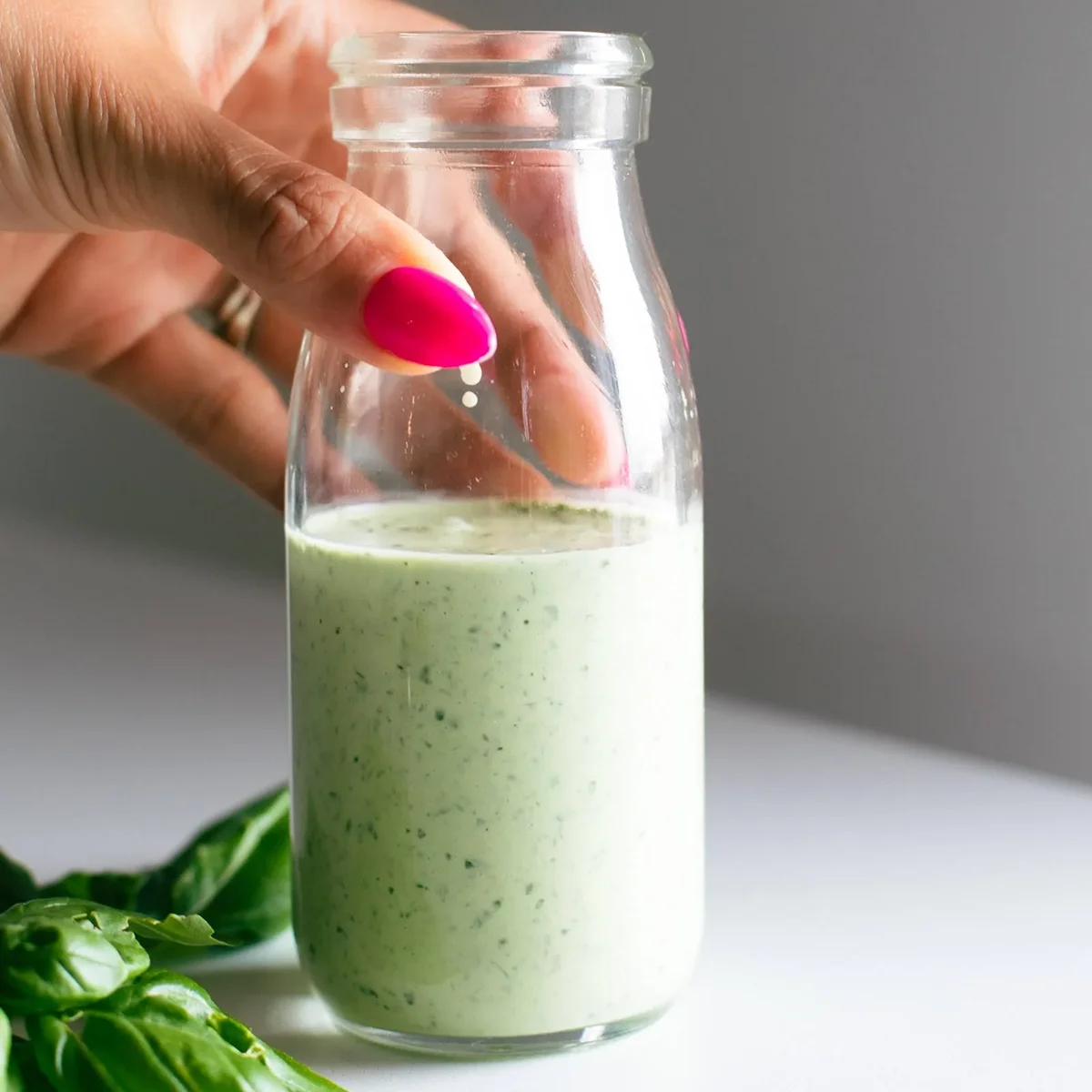
This creamy basil sauce is going on EV-ER-Y-THING in my life: sandwiches, eggs, grilled chicken and veggies, dipped with chips?! It’s so good, packed with green goodness, it’s beautifully summery, and I’m doing the most with it.
In This Post:
The main thing:
Other stuff:
How To Make This Basil Sauce
Step 1: Get All Your Ingredients Ready
You can use a blender, food processor, or a mini-chopper-type gadget. I love this mini-chopper (affiliate link). It’s not meant for sauces necessarily, but I use it all the time because it’s super compact.
Step 2: Blend Your Basil Sauce
That’s it! Just blend, taste, and adjust!
This sauce can be a bit chunky / textured, so keep it going until it has the consistency you want. I prefer something right before completely pureed – where it has just barely noticeable flecks of herbs, but it’s mostly smooth and creamy.
Step 3: Put It On All Your Yummy Things
Like so. (Here’s that recipe.)
Lindsay’s Notes
Ooh baby. Basil, chives, garlic, and a tiny hit of oregano all in a creamy, salty, bright green sauce – I love this so much.
The first time I made this, my toddler (who mostly just eats crackers) found a spatula and just sat at the counter licking the remnants of the sauce out of the blender with me. And I hear that from a lot of people – many kids seem to be very into this for unknown reasons. Sometimes it just hits right, ya know? A+ for that experience.
My favorite thing about this sauce, besides that it tastes like heaven, is that makes healthy-ish eating something I really, actually look forward to.
Baked salmon goes up about 100 notches in my book when smothered in this creamy green sauce. Same goes for shrimp, chicken, and a big fresh salad or lots of roasted veggies.
This will not be the last we see of this sauce, which is why I decided to give it its own post on POY. Welcome home, little basil sauce.
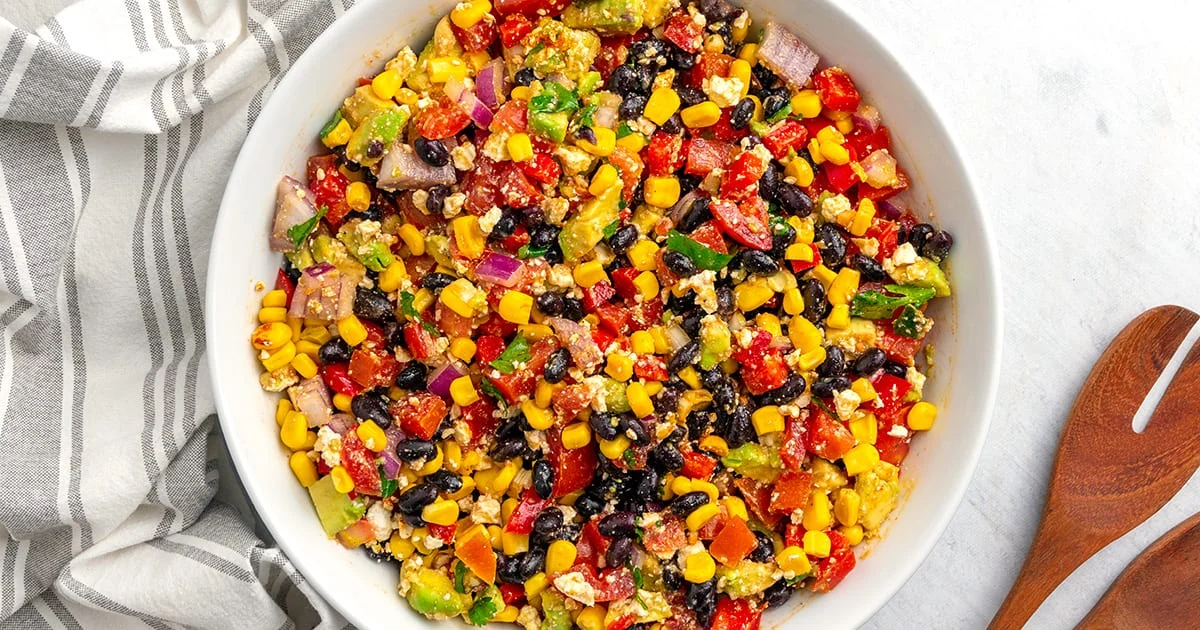
Things You Could Put It On
The possibilities! They are endless.
Description
Punchy, salty, bright green sauce packed with fresh basil, chives, garlic, and a bit of oregano. This sauce can be poured out just about anything!
- Place all your sauce ingredients in a blender or food processor. (I use this mini chopper for the vast majority of my sauces because it’s nice and compact!)
- Blend until you get your desired consistency – I usually go for an almost-completely-smooth texture that is flecked with small bits of herbs.
Notes
Taste and adjust! More lemon juice will wake it up, Parmesan adds more umami and saltiness, and if it gets too salty for you, add a bit more mayo to dilute the pungency a bit!
Keywords: basil sauce, basil dressing
Recipe Card powered byFrequently Asked Questions For Basil Sauce
What can I use instead of mayo?I’ve seen some people on Instagram say they used Greek yogurt and liked it. I haven’t made it this way and I know I wouldn’t like it with Greek yogurt because it’s so tangy and has a different flavor. BUT, if you’re okay with it being a bit different than the original, I think Greek yogurt could work!
I have an egg allergy – what can I use?Vegan mayo has no eggs and tastes great! That’s what I’d use!
How long does the basil sauce last?I usually keep it in the fridge for 3-5 days.
Can you make this vegetarian / vegan?Yes! Use vegan mayo and vegan Parmesan! If you can’t find vegan Parmesan, just throw in a bit of extra salt to compensate for the change in flavor. And if you don’t want to use vegan mayo, try using an avocado like we did in this avocado mojo sauce.
Can you freeze this basil sauce?I would not recommend freezing this.
More Of My Favorite Sauce Recipes
Join the Conversation (0)
Nutrition Facts
Amount per serving
- Calories 422 kcal
- Total Fat 18g
- Saturated Fat 4g
- Cholesterol 17mg
- Sodium 362mg
- Total Carbohydrates 48g
- Protein 32g
Hi, I'm Alex!
I love sharing easy, healthy, and family-friendly recipes that anyone can make at home.





Be the first to comment on this recipe!